

How Floating Wind Developments Are Reshaping Submarine Cable Strategies
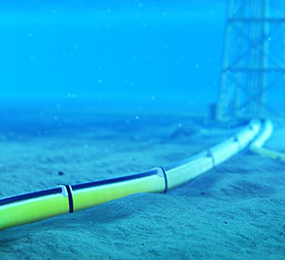
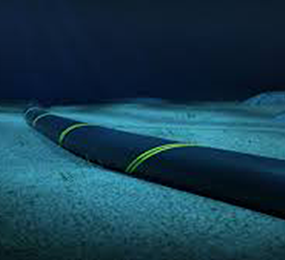
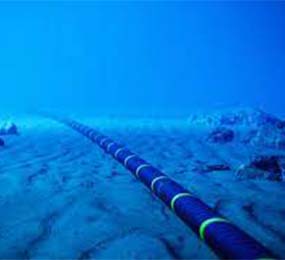
The advent of floating offshore wind technology is fundamentally reshaping strategies for submarine cables, demanding innovative solutions to connect these dynamic power sources to onshore grids. Unlike traditional fixed-bottom wind turbines, which rely on static cables, floating wind farms introduce complex challenges and opportunities that are driving a new era in subsea cable design, installation, and maintenance.
One of the most significant shifts is the increased need for dynamic cables. Floating wind turbines move with the waves and currents, subjecting their inter-array and export cables to constant mechanical stress, bending, and fatigue. This necessitates cables specifically designed to withstand millions of bending cycles over their operational lifetime, a stark contrast to the static requirements of fixed installations. Innovations in cable materials, armoring, and internal structures are crucial to ensure durability and prevent premature failure, which has historically been a major cause of insurance claims in offshore wind.
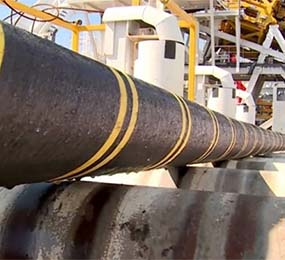
Furthermore, floating wind developments are pushing projects into deeper waters and more challenging seabed conditions, where traditional cable laying techniques may be insufficient. This requires specialized installation vessels and methods, as well as more sophisticated route planning to avoid geological hazards and existing subsea infrastructure. The increased distances from shore often necessitate the use of High Voltage Direct Current (HVDC) transmission, which, while more efficient for long distances, adds complexity and cost to the overall cable system, including converter stations.
The evolving landscape also demands enhanced monitoring and predictive maintenance for dynamic cables. Real-time data on cable performance, stress, and environmental interactions is becoming essential to anticipate failures and optimize maintenance schedules, reducing the need for costly and hazardous offshore repairs. Collaboration between cable manufacturers, developers, and research institutions is accelerating the development of these advanced solutions. Ultimately, floating wind is not just expanding the geographical reach of offshore wind but also revolutionizing the subsea cable industry, driving innovation for a more resilient and dynamic energy future.
Visit our website to know more: https://www.leadventgrp.com/events/5th-annual-submarine-power-cable-and-interconnection-forum/details
For more information and group participation, contact us: [email protected]
Leadvent Group - Industry Leading Events for Business Leaders!







Comment