

How Automation Improves Fault Detection and Restoration
The reliability of modern infrastructure, particularly electrical grids and industrial manufacturing, depends on the speed and accuracy of identifying system failures. Traditionally, fault detection was a manual, reactive process that relied on physical inspections and consumer reports. However, the integration of automation has revolutionized this workflow, shifting the paradigm from manual intervention to proactive, self-healing systems.
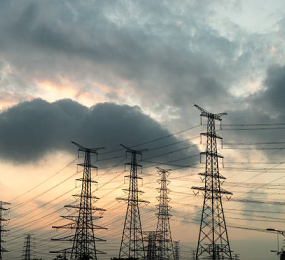
Automation improves fault detection primarily through the deployment of Advanced Metering Infrastructure (AMI) and Intelligent Electronic Devices (IEDs). These sensors monitor system parameters such as voltage, current, and temperature in real-time. When a deviation from the norm occurs—such as a short circuit or equipment overheating—automated algorithms can pinpoint the exact geographic or logic location of the fault within milliseconds. This eliminates the "search phase" that historically consumed the majority of downtime, preventing minor issues from cascading into catastrophic system-wide failures.
Once a fault is detected, automated restoration systems—often referred to as FLISR (Fault Location, Isolation, and Service Restoration)—take immediate action. In a power grid, for example, automated switches can "sectionalize" the affected area, isolating the fault while simultaneously rerouting power through healthy circuits to restore service to the maximum number of users. This occurs without human dispatchers needing to send a physical crew to the site. In industrial settings, automation allows for "graceful degradation," where a system shuts down a compromised component while maintaining partial functionality in others.
The result is a significant reduction in the System Average Interruption Duration Index (SAIDI). Beyond speed, automation removes human error from the diagnostic process, ensuring that restoration is handled according to optimized safety protocols. As machine learning continues to evolve, these systems are becoming predictive, identifying the "signatures" of failing components before a fault even occurs, leading to a truly resilient and near-continuous operational environment.
Visit our website to know more: https://www.leadventgrp.com/events/2nd-annual-power-grid-digitalization-and-automation-forum/details
For more information and group participation, contact us: [email protected]
Leadvent Group - Industry Leading Events for Business Leaders!
www.leadventgrp.com| [email protected]



Comment