

Harnessing Wind Power: Driving the Future of Clean Energy
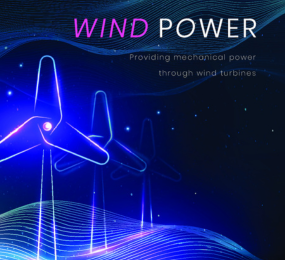
As the world races to cut carbon emissions and build a sustainable energy system, wind power has emerged as one of the most reliable and impactful solutions. What was once viewed as an alternative energy source has become a central pillar of modern electricity generation, powering millions of homes, businesses, and industries worldwide.
Wind power is not just about clean energy; it represents a transformation in how we produce and consume electricity, shifting away from fossil fuels toward more resilient, renewable systems.
Why Wind Power Matters
Wind is abundant, renewable, and free. Unlike coal or oil, it does not deplete natural resources or release harmful emissions. Every megawatt of wind-generated electricity reduces greenhouse gases and helps protect public health by cutting air pollution.
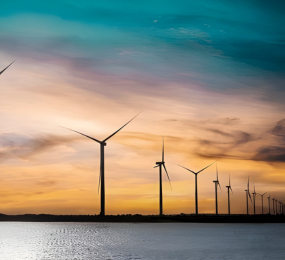
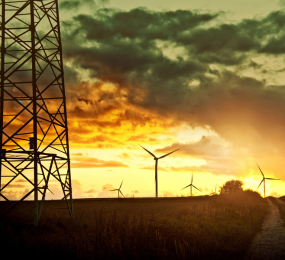
Today, wind power contributes significantly to the global renewable energy mix. Offshore and onshore wind farms are scaling up to meet growing energy demand, offering countries a pathway to reduce dependence on imported fuels while creating new jobs in manufacturing, engineering, and maintenance.
The Innovation Behind Wind Energy
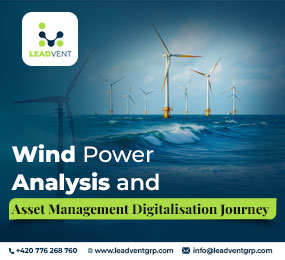
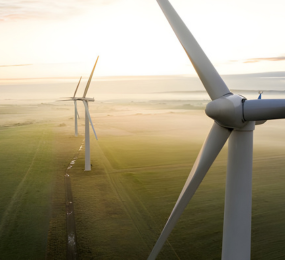
The success of wind power lies in constant innovation. Modern turbines are more efficient, taller, and equipped with longer blades that capture energy even in low-wind areas. Offshore wind farms, in particular, are pushing boundaries, with floating turbine technology allowing clean power generation in deeper waters where winds are stronger and more consistent.
Digital tools are also revolutionizing the sector. Data analytics and predictive maintenance optimize turbine performance, reducing downtime and improving efficiency. These advancements are making wind energy not only sustainable but also cost-competitive with conventional energy sources.
Overcoming Challenges
Despite its growth, wind power faces challenges that must be addressed for long-term success. Grid integration remains a key issue, as renewable energy is variable and depends on weather conditions. Investments in energy storage, smart grids, and hybrid solutions are vital to ensure stable power supply.
Community acceptance is another factor. While many recognize the benefits of wind power, concerns about visual impact, land use, and noise must be balanced through dialogue, planning, and thoughtful project development.
The Broader Impact
Wind energy is more than an environmental solution it is an economic driver. It attracts investment, supports local communities through infrastructure projects, and provides opportunities for innovation and collaboration. In regions with limited access to traditional power, wind offers the promise of decentralized, reliable electricity that fuels development.
Looking Ahead
The future of wind power is bright. With global climate targets pushing nations to accelerate renewable adoption, wind will play a crucial role in building a resilient and sustainable energy system. As technology advances and costs continue to fall, wind power is set to become even more accessible and widely adopted.
Takeaway Point: Wind power is not only helping the world reduce carbon emissions but also transforming economies, creating jobs, and ensuring long-term energy security. By embracing wind, we invest in a cleaner, more resilient future for generations to come.
Learn more on our website: https://www.leadventgrp.com/event/7th-edition-windpower-data-and-digital-innovation-forum/register
For more information and group participation, contact us: [email protected]
Leadvent Group - Industry Leading Events for Business Leaders!
www.leadventgrp.com | [email protected]








Comment