

Grid Interconnection Through Subsea Cables: Opportunities and Challenges
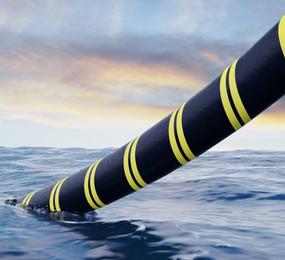
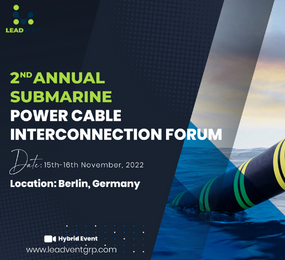
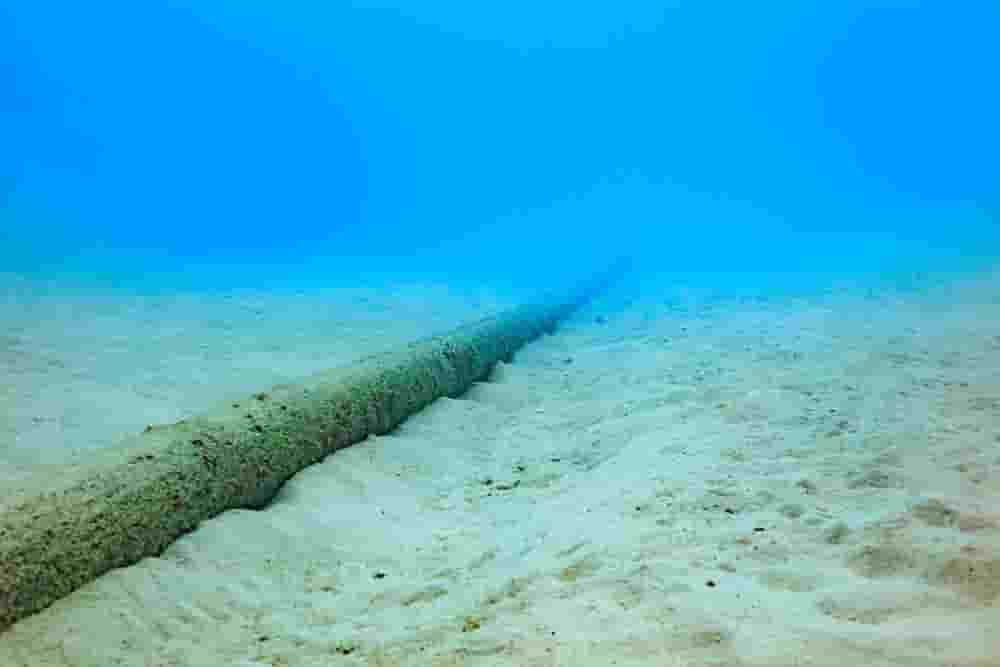
As the global transition to renewable energy accelerates, subsea cable technology has emerged as a cornerstone of the modern power grid. High-Voltage Direct Current (HVDC) subsea cables allow for the long-distance transmission of electricity across oceans, enabling nations to link disparate energy markets and balance the intermittent nature of wind and solar power. These "energy superhighways" represent a massive opportunity for a more resilient and decarbonized global energy architecture.
The primary opportunity lies in geographical balancing. Large-scale renewable resources are often located far from urban centers—such as offshore wind farms in the North Sea or solar arrays across the Mediterranean. Subsea interconnections allow regions with surplus green energy to export power to areas facing deficits, effectively turning the ocean into a bridge rather than a barrier. This cross-border trade lowers electricity costs, enhances energy security, and reduces the need for fossil-fuel-based backup plants, as the sun setting in one time zone can be offset by wind blowing in another.
However, the path to a fully interconnected global grid is fraught with significant challenges. From a technical perspective, laying and maintaining cables at extreme depths requires specialized vessels and advanced robotics. The environment is inherently hostile; cables must withstand high pressure, salt corrosion, and potential damage from ship anchors or tectonic activity. Repairing a fault miles underwater is both technically complex and prohibitively expensive.
Furthermore, economic and geopolitical hurdles often eclipse the engineering difficulties. These projects require multi-billion dollar investments and decades of planning. Harmonizing the regulatory frameworks and technical standards of different sovereign nations is a slow process. There are also rising concerns regarding the physical security of subsea infrastructure, as these cables have become critical national assets vulnerable to sabotage or espionage.
In conclusion, while subsea cables offer a transformative pathway to a carbon-neutral future, their success depends on international cooperation and continued innovation in material science and monitoring. By overcoming these logistical and political barriers, the world can unlock a truly global, fluid, and sustainable energy market.
Visit our website to know more: https://www.leadventgrp.com/events/6th-annual-subsea-cable-installation-asset-management-reliability-forum/details
For more information and group participation, contact us: [email protected]
Leadvent Group - Industry Leading Events for Business Leaders!
www.leadventgrp.com| [email protected]


Comment