

Grid Availability and Its Impact on Offshore Wind Farm Performance
Offshore wind energy is a cornerstone of the global transition to renewable power, offering higher wind speeds and greater scale than onshore alternatives. However, the performance of these multi-billion-dollar assets is inextricably linked to "grid availability"—the ability of the terrestrial and subsea electrical infrastructure to receive and distribute the power generated.
The Constraint of Curtailment
The primary impact of low grid availability is curtailment. When the transmission grid reaches capacity or undergoes maintenance, wind farm operators are forced to throttle back or shut down turbines, even during peak wind conditions. This represents a significant loss of potential energy. Because offshore wind projects have high fixed costs and zero marginal costs, every megawatt-hour (MWh) not delivered to the grid directly erodes the project's Net Capacity Factor and overall Return on Investment (ROI).
Reliability and Infrastructure Stress
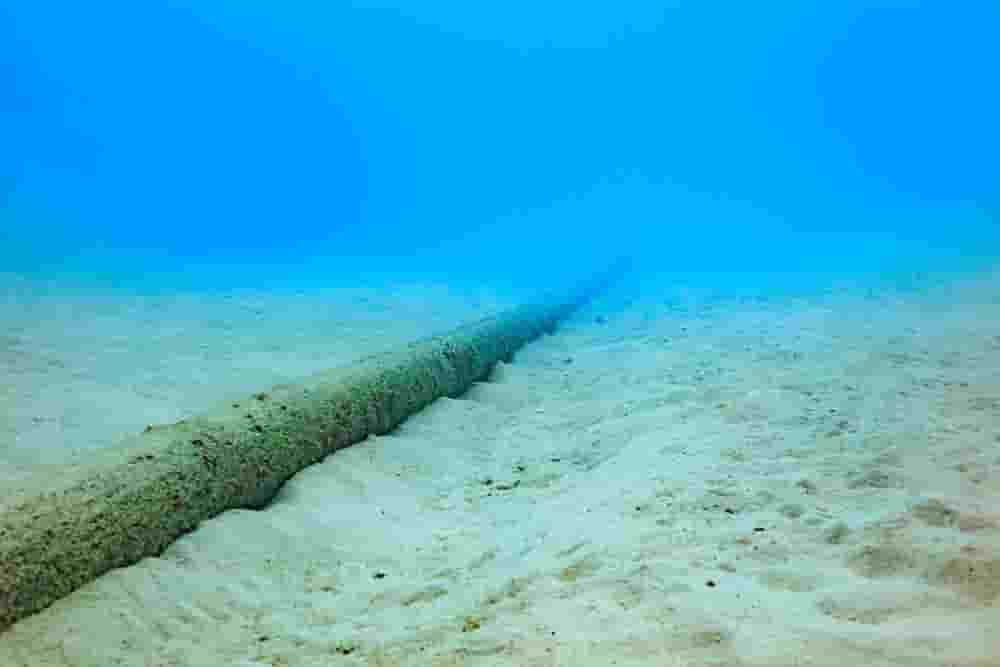
Grid availability isn't just about capacity; it’s about reliability. Offshore farms often rely on long, high-voltage direct current (HVDC) or alternating current (HVAC) subsea cables. A single fault in the transmission system can "strand" an entire wind farm, rendering it incapable of generating revenue. Frequent grid fluctuations can also place mechanical stress on turbine components. When the grid drops out, turbines must engage braking systems or enter "idle" modes, which can increase wear and tear on the drivetrain and pitch systems over time.
Future-Proofing with Storage and Interconnection
To maximize performance, developers are increasingly looking toward hybrid solutions. Integrating Battery Energy Storage Systems (BESS) or "Power-to-X" (such as green hydrogen production) can provide a buffer when grid availability is low. Furthermore, the development of "meshed" offshore grids—connecting multiple farms to multiple countries—ensures that if one grid connection fails, power can be rerouted, maintaining high availability and performance.
While turbine technology continues to advance, the true bottleneck for offshore wind remains the grid. Ensuring high grid availability is essential not only for the financial viability of wind projects but for the stability of the entire renewable energy ecosystem.
Visit our website to know more: https://www.leadventgrp.com/events/5th-annual-offshore-wind-operations-and-maintenance-forum/details
For more information and group participation, contact us: [email protected]
Leadvent Group - Industry Leading Events for Business Leaders!










Comment