

Floating Wind: Unlocking Renewable Power in Deeper Waters
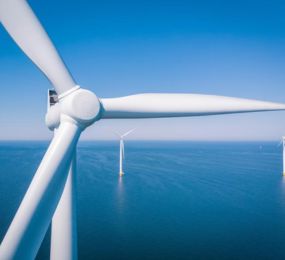
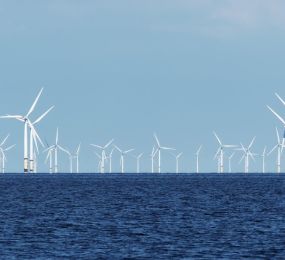
As the world seeks reliable and cleaner energy sources, floating wind has emerged as one of the most promising advancements in the renewable landscape. While traditional offshore wind farms rely on fixed foundations anchored to the seabed, floating wind turbines are designed to operate in deeper waters—areas once considered unreachable. This shift opens vast new possibilities for energy generation, especially for regions with limited shallow coastlines but significant wind resources further offshore.
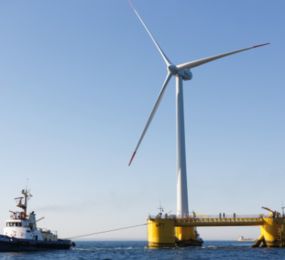
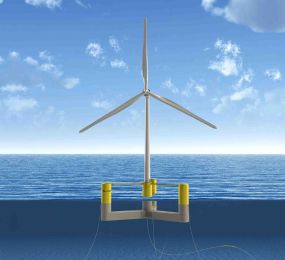
Floating wind works by placing turbines on buoyant platforms secured with mooring lines. These structures allow them to remain stable despite waves, currents, and deep-water conditions. By moving further out to sea, developers can access stronger and more consistent wind speeds, translating to higher energy output and greater efficiency. For countries committed to expanding renewable energy capacity, this technology offers a practical way to grow without competing for coastal space.
One of the strongest advantages of floating wind is its flexibility. Many coastal regions with steep seabed slopes cannot support fixed-bottom turbines. Floating platforms overcome this challenge, enabling energy production in locations previously dismissed as unsuitable. This is particularly valuable for island nations, regions with limited land availability, and countries seeking to diversify their energy mix without significant land disruption.
The environmental benefits are also notable. Floating wind farms can be placed far enough offshore to minimize visual impact and reduce conflicts with other coastal activities. In addition, the ability to position turbines in areas with less marine traffic can simplify navigation and lower the risk of interference with shipping routes. While environmental assessments remain crucial, the potential for reduced ecological footprint compared to land-based or near-shore installations is significant.
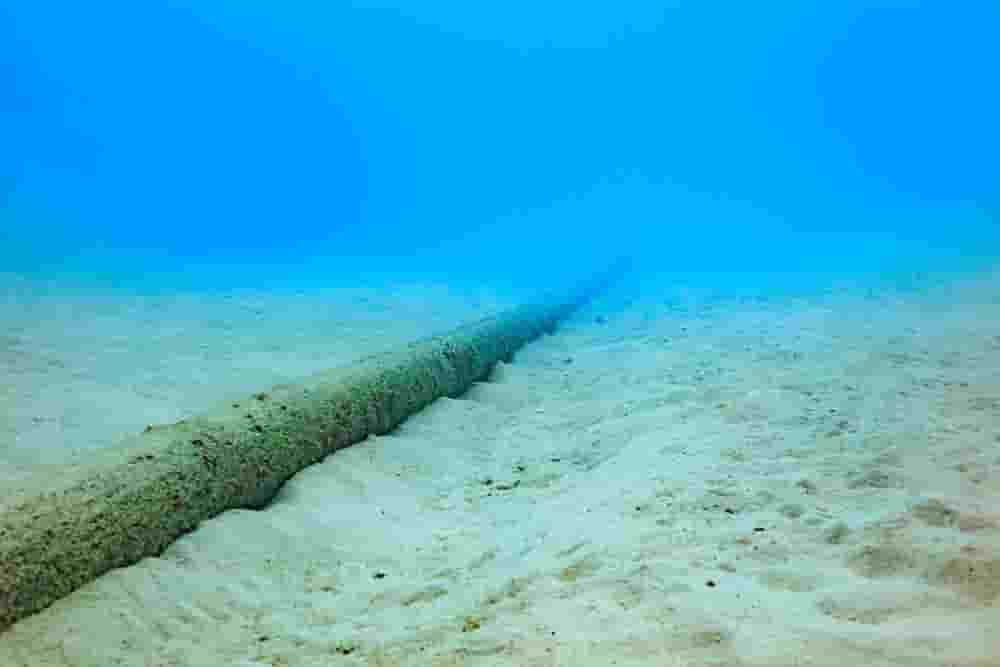
From an economic perspective, floating wind is creating new opportunities across engineering, manufacturing, and maritime services. The development of specialized platforms, mooring systems, and underwater cabling is driving innovation and supporting new supply chains. As the sector scales, costs are gradually decreasing, following a similar path to traditional offshore wind’s early growth. Countries investing today are not only securing cleaner energy but also positioning themselves in a growing global market.
However, the technology does come with challenges. The complexity of platform design, the durability required to withstand deep-water conditions, and the logistics of installation all demand careful planning. Grid infrastructure must also evolve to integrate power generated far from shore. Despite these hurdles, industry progress has
been steady, with pilot projects demonstrating strong performance and commercial-scale developments underway in several regions.
The momentum behind floating wind reflects a broader shift in how nations view renewable energy. It is no longer just about replacing fossil fuels—it is about building resilient energy systems that can adapt to geographical, environmental, and societal needs. Floating wind stands out as a solution that combines innovation with practicality, offering a path to expand clean energy capacity without exhausting limited coastal resources.
Takeaway Point: Floating wind opens new horizons for renewable energy, allowing nations to tap into deeper waters, stronger wind resources, and greater long-term sustainability without compromising coastal space or ecosystems.
Learn more on our website: https://www.leadventgrp.com/event/6th-annual-floating-wind-europe/register
For more information and group participation, contact us: [email protected]
Leadvent Group - Industry Leading Events for Business Leaders!
www.leadventgrp.com | [email protected]






Comment