

Floating Wind in Europe and Africa: Unlocking Offshore Renewable Potential
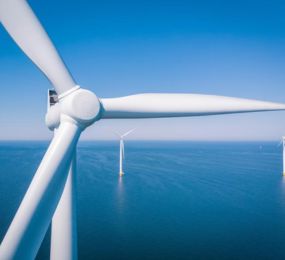
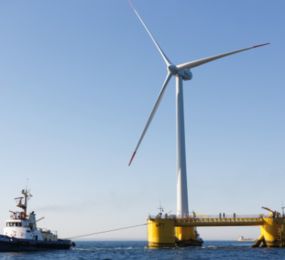
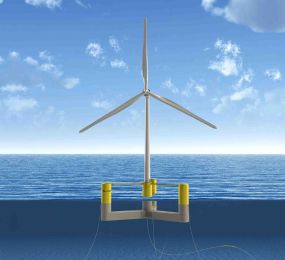
As the world searches for solutions to secure clean and sustainable energy, floating wind technology has emerged as a vital innovation. Unlike traditional fixed-bottom turbines, floating wind platforms can be installed in deep waters where stronger and more consistent winds are found. This technology is already reshaping Europe’s offshore energy landscape and holds significant promise for Africa as it navigates its renewable energy transition.
Europe Leading the Way
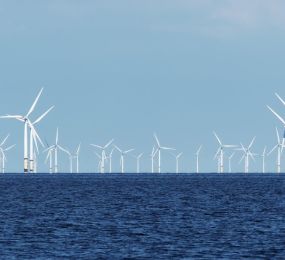
Europe has positioned itself as the global leader in floating wind development. Countries such as the United Kingdom, France, Norway, and Portugal have invested heavily in offshore pilot projects and large-scale farms. With supportive policies and strong industry collaboration, Europe is demonstrating how floating wind can deliver both environmental and economic benefits. These projects not only reduce carbon emissions but also create jobs, foster innovation, and strengthen energy independence.
The Opportunity for Africa
For Africa, floating wind represents a chance to diversify its energy sources and reduce reliance on fossil fuels. Many African nations are blessed with vast coastlines and untapped offshore wind potential. Traditional offshore projects are often limited by shallow waters, but floating technology overcomes this barrier, opening opportunities in deeper seas such as off the coasts of South Africa, Morocco, and parts of West Africa.
Bridging the Energy Gap
The continent continues to face challenges of limited electricity access and rising demand. Floating wind could help bridge this gap by providing reliable and scalable clean energy. By integrating floating wind into national energy strategies, African nations could power industries, improve rural electrification, and strengthen their climate commitments.
Economic and Industrial Benefits
The development of floating wind in Africa could unlock new industries, create jobs in construction and maintenance, and attract international investment. Local shipyards, ports, and engineering sectors could play a central role in supporting this growing market. Just as Europe has demonstrated, floating wind is not only about cleaner energy but also about building a stronger economic future.
Overcoming Barriers
Despite its potential, floating wind is still a relatively costly technology. Africa would require strong policy frameworks, partnerships with international developers, and access to financing to make these projects viable. Capacity-building and knowledge transfer from Europe will also be key in ensuring African nations can maximize this opportunity.
Looking Ahead
The journey of floating wind in Africa is just beginning, but the potential is undeniable. By learning from Europe’s experience and harnessing its own vast offshore resources, Africa can chart a sustainable energy pathway that supports both economic growth and climate resilience.
Takeaway Point: Floating wind is more than a technological breakthrough it is a pathway for both Europe and Africa to secure cleaner, more sustainable, and resilient energy systems. For Africa in particular, it offers the chance to leapfrog into a future where renewable power drives economic development and energy access.
Learn more on our website: https://www.leadventgrp.com/event/6th-annual-floating-wind-europe/register
For more information and group participation, contact us: [email protected]
Leadvent Group - Industry Leading Events for Business Leaders!
www.leadventgrp.com | [email protected]




Comment