

ESG and Climate in Africa: A Growing Mandate for Sustainable Progress
Africa finds itself at a crossroads a continent rich in potential but facing the realities of climate change more acutely than most. While its carbon footprint remains among the lowest globally, its exposure to extreme weather, water scarcity, food insecurity, and biodiversity loss continues to grow. In response, the continent is turning toward Environmental, Social, and Governance (ESG) frameworks not just as a policy tool but as a strategy for economic transformation and resilience.
The integration of ESG practices in Africa isn't just about meeting global sustainability standards. It’s about building systems that work for local communities, foster trust, and protect natural resources in ways that align with Africa’s unique development needs. Governments, businesses, and civil society are beginning to recognize that sustainability and growth don’t have to be at odds they can and should go hand-in-hand.
The Environmental Imperative
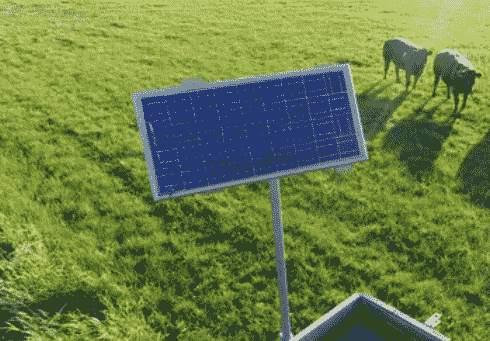
Africa's landscapes from deserts and savannahs to tropical forests are crucial to global ecological balance. Yet, the continent’s ecosystems are under strain from deforestation, land degradation, and erratic climate patterns. The “E” in ESG calls for a deeper commitment to protecting these resources through renewable energy adoption, sustainable agriculture, and responsible mining practices. Nations like Morocco and Kenya are leading with solar and wind energy investments, signaling that clean energy is not just a future plan it’s an active choice.
The Social Foundation
The “S” in ESG puts people at the center. With over 60% of Africa’s population under the age of 25, education, health care, gender inclusion, and community development are not optional they’re foundational. Social equity ensures that climate and sustainability strategies do not exclude the very people they’re meant to serve. Building climate resilience must go hand-in-hand with improving livelihoods and creating inclusive economic opportunities.
Governance: Building Trust and Transparency
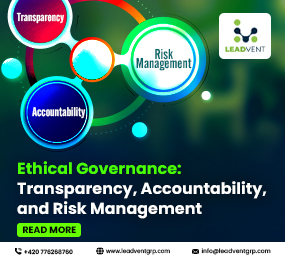
Strong governance is the glue that holds sustainability efforts together. Transparent policies, ethical leadership, and accountability are critical, especially in managing climate finance, foreign investment, and resource extraction. ESG-aligned governance frameworks create the conditions for fair partnerships and long-term development planning that serves both people and planet.
Takeaway Point
Africa’s approach to ESG and climate is about more than compliance it’s about designing a resilient, inclusive future that puts people and the environment first. By embracing ESG as a development model, the continent is not just reacting to climate change, but actively shaping a future where sustainability and prosperity can coexist. The road ahead is challenging, but Africa’s growing commitment shows that with the right leadership and policies, transformation is not only possible it’s already underway.
Learn more on our website: https://www.leadventgrp.com/event/esg-and-climate-africa-summit/register
For more information and group participation, contact us: [email protected]
Leadvent Group - Industry Leading Events for Business Leaders!
www.leadventgrp.com | [email protected]











Comment