

Environmental Considerations in Subsea Cable Laying
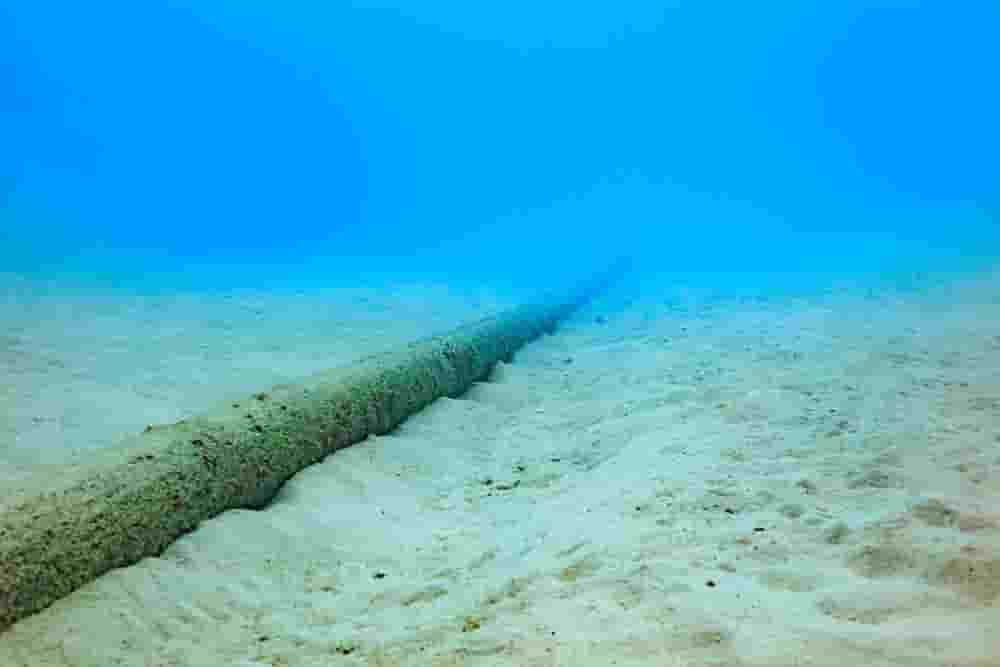
The laying of subsea communication and power cables is fundamental to modern global connectivity, yet this massive infrastructure undertaking carries significant environmental considerations that must be carefully managed. The primary concern is the physical disturbance of the seabed during the ploughing and trenching phase required to bury the cable for protection.
This process disrupts benthic habitats, specifically cold-water coral reefs, sponge communities, and essential fish spawning grounds. The trenching can temporarily increase sediment suspension in the water column, impacting filter-feeding organisms and potentially altering local hydrodynamic regimes. While the effects are often localized and temporary, damage in sensitive or protected marine areas can take decades to recover. Modern techniques, therefore, emphasize detailed pre-lay surveys, including bathymetric mapping and remotely operated vehicle (ROV) inspections, to plot routes that avoid these fragile ecosystems entirely.
Another critical consideration is the presence of electromagnetic fields (EMFs) emitted by power cables, though less of an issue for fiber-optic communication cables. High-voltage direct current (HVDC) power cables generate a small magnetic field that could potentially interfere with the navigation and behavior of marine life, particularly species sensitive to electroreception, such as sharks and rays. Ongoing research and mitigation strategies involve deeper burial and specialized shielding to minimize this influence in high-traffic marine corridors.
Finally, the cumulative impact of numerous cable routes in coastal zones requires regional spatial planning. As the demand for offshore wind and intercontinental data transmission grows, managing the density of cable corridors becomes crucial to prevent widespread fragmentation of marine habitats. Adherence to strict international environmental guidelines and post-installation monitoring are essential to ensure that the pursuit of digital advancement does not come at the irreparable cost of marine biodiversity.
Visit our website to know more: https://www.leadventgrp.com/events/6th-annual-subsea-cable-installation-asset-management-reliability-forum/details
For more information and group participation, contact us: [email protected]
Leadvent Group - Industry Leading Events for Business Leaders!



Comment