

Environmental Considerations in Submarine Cable Installation Projects
The global demand for high-speed connectivity and offshore renewable energy has led to a surge in submarine cable installations. While these "information superhighways" are vital for the modern economy, their deployment across the delicate marine benthos requires rigorous environmental oversight to minimize ecological disruption.
Habitat Disturbance and Sedimentation
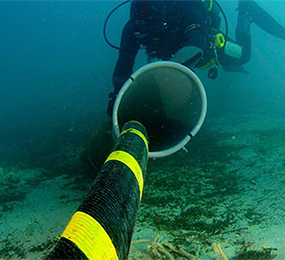
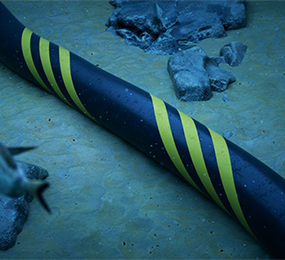
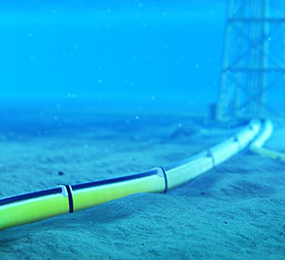
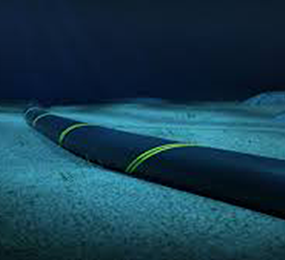
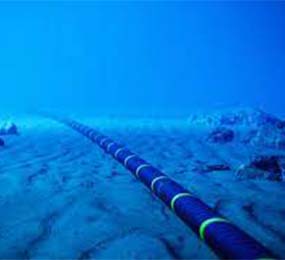
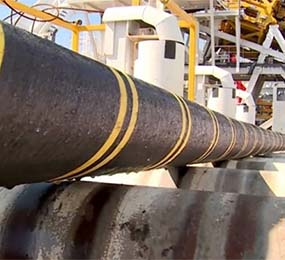
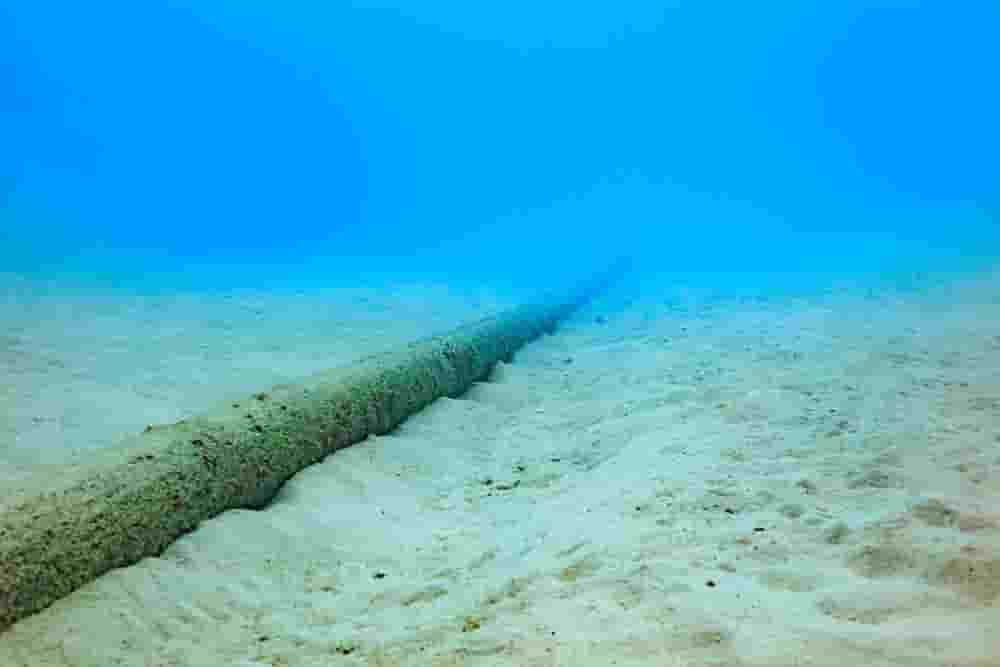
The primary environmental concern occurs during the installation phase. Cables are typically buried using hydraulic sleds or mechanical plows to protect them from fishing gear and anchors. This process causes localized sediment suspension, which can increase turbidity and potentially smother sessile organisms like corals or sponge gardens. Strategically selecting routes that avoid high-biodiversity "hotspots" is the first line of defense in sustainable maritime engineering.
Underwater Noise and Marine Megafauna
Installation vessels and cable-laying machinery generate significant underwater noise. For marine mammals that rely on echolocation—such as dolphins and whales—this acoustic pollution can interfere with communication, navigation, and foraging. Environmental management plans often mandate the use of "Marine Mammal Observers" (MMOs) and passive acoustic monitoring to ensure operations pause if protected species enter a predefined safety zone.
Electromagnetic Fields (EMF) and Heat Dissipation
Beyond physical installation, the long-term presence of power cables introduces Electromagnetic Fields (EMF) into the water column. Certain elasmobranchs (sharks and rays) and migratory fish are sensitive to these fields, which may affect their migratory patterns or prey detection. Additionally, high-voltage direct current (HVDC) cables can dissipate heat, potentially altering the micro-climate of the surrounding seabed.
Mitigating the Footprint
Modern projects now integrate Nature-Inclusive Designs (NID), such as using cable protection systems that double as artificial reefs. By combining rigorous Environmental Impact Assessments (EIAs) with real-time monitoring, the industry can ensure that the infrastructure connecting our world does not come at the cost of the oceans' biological integrity.
Visit our website to know more: https://www.leadventgrp.com/events/6th-annual-submarine-power-cable-and-interconnection-forum/details
For more information and group participation, contact us: [email protected]
Leadvent Group - Industry Leading Events for Business Leaders!
www.leadventgrp.com| [email protected]




Comment