

Emerging Threat Trends at 2025 Cyber Security Conferences in the Energy Sector
As energy suppliers develop digital technologies and adopt renewable measures, they face new, sophisticated cyber risks as well as growing ones. To address those risks, experts will meet at cybersecurity events to discuss, learn, share, and develop plans to protect critical infrastructure.
Cyber Risks Shaping the Energy Sector: Main Concerns Among Industry Leaders
Ransomware Gets More Intelligent and Destructive
Ransomware incidents in energy and utilities companies jumped by 80% in 2024. Cybercriminals moved their attention away from standard IT systems to focus on operational technology networks, which manage power production and supply. These attacks are no longer random. They have become planned efforts aimed at disrupting vital infrastructure as much as possible.
Ransomware gangs now go after systems like SCADA human-machine interfaces, and distributed control systems, which are essential to keeping electricity flowing in cities across the globe. When these systems fall into the wrong hands, the damage goes past money.
Nation-State Actors Push the Limits
Geopolitical conflicts have turned the energy industry into a key zone for cyber battles between nations. Security experts have tracked a rise in cyber activities tied to groups from China, Iran, North Korea, and Russia. These advanced threat groups focus on energy systems and aim to do more than steal information.
Attackers often spend years hiding within energy networks before using the access they have gained. This long-term strategy makes it hard to notice them and shows why standard security tools fail against such persistent threats backed by states.
Smarter Grids, Greater Threats
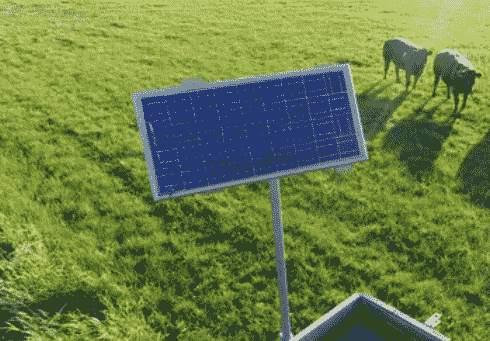
The switch to renewable energy has tremendous benefits, but it also dramatically increases the risks of cybersecurity. The introduction of solar panels, wind turbines, and smart grids offers a huge amount of new access points for hackers. Every connected gadget can turn into a weak spot. The decentralized setup of renewable energy networks makes it even harder to fully monitor and secure everything.
Old operational tech, which was never made with security in mind, now has to work alongside modern IoT devices and cloud tools. This mix leads to gaps in security that attackers are quick to take advantage of.
Why We Need Cybersecurity Conferences Today
Sharing Knowledge to Build Stronger Defenses
Cybersecurity in the energy sector isn’t about competing against each other. Everyone’s safety relies on the weakest part of the system. Joining a cybersecurity conference in 2025 brings out practical stories, talks about new risks, and creates plans to protect the entire industry. Leaders in utilities exchange stories about facing advanced attacks, which helps the whole field grow stronger.
These events do more than what technical documents or vendor slideshows offer. They give space for open talks about what succeeds, what fails, and how companies can learn from each other’s experiences. They help build lasting connections that boost the group’s overall security.
Spotlight: Leadvent Group's 3rd Annual Energy and Utilities Cyber Security Forum
The 3rd Annual Energy and Utilities Cyber Security Forum in 2025 will deliver the kind of practical cyber defense event that energy experts need. This two-day gathering focuses on the unique problems that the energy and utilities sector faces instead of discussing broad cybersecurity topics.
Why This Forum Stands Out
This cybersecurity event dives into today's biggest energy concerns. How can companies secure smarter and more connected energy networks? What strategies help fund flexible security tools? How do security teams get industries that prioritize efficiency to support cybersecurity plans?
The conference focuses on finding practical answers instead of diving into abstract discussions. Security leaders from big renewable energy companies share their experiences about handling major cyberattacks, setting up strong security measures, and persuading their boards to focus on cybersecurity spending.
Key Topics to Discuss at Cybersecurity Conferences 2025
- Shielding Critical Infrastructure: Strategies look to protect substations, transmission set systems, and distribution systems from targeted threats or attacks.
- Renewable Energy Obstacles: Cybersecurity issues face distributed systems such as solar, wind farms, and other renewable structures.
- Converging OT with IT Systems on Cybersecurity Issues: Addressing risks associated with the integration of operational technologies and information services.
- Securing the Supply Chain: Creating plans to manage risks tied to vendors and partners across the energy sector's complex network.
- Meeting Regulatory Demands: Understanding shifting cybersecurity regulations and building compliance efforts that also strengthen security.
Who Should Attend
Security leaders from IT and OT teams in power companies gain a lot by interacting with others who deal with similar risks. Developers and operators in renewable energy can pick up lessons from utilities that have been managing cybersecurity for years. Companies offering technology solutions get a clearer picture of what energy organizations need in security tools.
Those working in risk management, compliance, or operating energy systems also better understand how cyber risks affect their roles.
The Road Ahead to Strengthen Energy Cybersecurity
As the energy sector continues to embrace digital tools and renewable energy, cybersecurity hurdles will grow tougher. Companies that separate themselves and try to tackle these issues with well-resourced and skilled adversaries.
Cybersecurity events like the 3rd Annual Energy and Utilities Cyber Security Forum play a major role in sharing ideas, solving problems together, and connecting industry professionals. These events help protect not just single businesses but also the vital infrastructure that keeps our society running.
Leadvent Group shows its dedication to boosting the energy sector's defense systems by organizing events that unite top experts to handle its biggest problems.
Frequently Asked Questions (FAQs)
How is cybersecurity in the energy sector different from other industries?
Defending the energy industry's cybersecurity means safeguarding both IT systems and operational systems that manage power production and distribution. Cyberattacks here carry risks that go beyond those in other fields, affecting public safety, national defense, and the economy. Modernizing legacy systems designed without today’s security in mind adds further complications.
Why should energy firms make it a priority to attend cybersecurity conferences in 2025?
The rise in ransomware attacks on energy companies by 80% and the growing danger from nation-state actors make these events valuable. Conferences share the latest on emerging threats and practical defenses. They also give professionals a chance to learn from others who have managed large threats and to create connections crucial to working together on cybersecurity.
How do cybersecurity events support meeting regulatory standards?
Events like these provide insights into changing cybersecurity rules, help design better compliance programs, and connect attendees with experts and peers in the industry. Many energy firms discover that strategies shared at these events are more realistic and useful compared to general consulting guidance.





Comment