

E-Methanol and E-Ammonia Production: Fueling the Future of Sustainable Industry and Transport
As industries worldwide seek alternatives to fossil fuels, e-methanol and e-ammonia are emerging as two of the most promising low-carbon fuels for the future. Produced using renewable energy and green hydrogen, these synthetic fuels have the potential to transform sectors that are difficult to electrify, including shipping, aviation, power generation, and heavy industry.
The growing focus on decarbonization has accelerated interest in fuels that can reduce greenhouse gas emissions without requiring a complete overhaul of existing energy infrastructure. E-methanol and e-ammonia are increasingly being viewed as practical solutions that can help bridge the gap between current energy systems and a cleaner future.
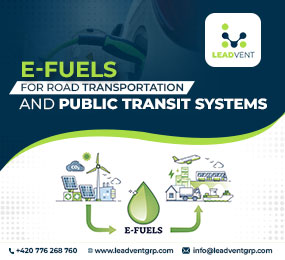
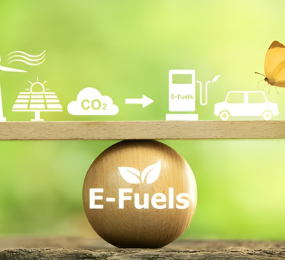
The production process for both fuels begins with renewable electricity generated from sources such as solar, wind, or hydropower. This clean electricity is used to power electrolysis, a process that splits water into hydrogen and oxygen. The resulting hydrogen, known as green hydrogen, serves as the primary building block for both e-methanol and e-ammonia.
E-methanol production involves combining green hydrogen with captured carbon dioxide. The carbon dioxide can be sourced from industrial emissions or captured directly from the atmosphere. Through a chemical synthesis process, the hydrogen and carbon dioxide are converted into methanol, a liquid fuel that can be stored, transported, and used in a variety of applications.
One of the major advantages of e-methanol is its versatility. It can be used as a marine fuel, feedstock for chemicals, and energy carrier for industrial operations. Because it is liquid at normal temperatures, e-methanol is relatively easy to handle using existing fuel infrastructure, making it an attractive option for industries seeking practical decarbonization pathways.
E-ammonia follows a slightly different production route. Instead of combining hydrogen with carbon dioxide, green hydrogen is combined with nitrogen extracted from the air. Through the Haber-Bosch process, hydrogen and nitrogen react under controlled conditions to produce ammonia.
Unlike e-methanol, e-ammonia contains no carbon. As a result, it does not release carbon dioxide during combustion, making it an attractive fuel option for sectors aiming to achieve deep emissions reductions. The maritime industry, in particular, is actively exploring ammonia as a future marine fuel due to its high energy density and potential to support long-distance shipping operations.
Both fuels are expected to play important roles in the global energy transition. Shipping companies are investing in vessels capable of operating on methanol and ammonia, while industrial sectors are evaluating their potential for power generation and manufacturing processes. Governments are also introducing policies and incentives designed to encourage the development of synthetic fuel production facilities.
Despite their promise, challenges remain. Producing e-methanol and e-ammonia requires significant amounts of renewable electricity, making energy availability and production costs important considerations. Large-scale deployment will depend on continued investment in renewable energy infrastructure, hydrogen production capacity, and transportation networks.
Technology improvements are helping address these challenges. Advances in electrolyzer efficiency, carbon capture systems, and fuel synthesis processes are steadily reducing production costs and improving scalability. As renewable energy becomes more affordable, the economic case for synthetic fuels is expected to strengthen.
Another important factor is energy security. Countries with abundant renewable resources can use e-fuel production to reduce dependence on imported fossil fuels while creating new opportunities for economic development and clean energy exports.
As industries move closer to net-zero goals, demand for sustainable fuel alternatives will continue to grow. E-methanol and e-ammonia offer flexible, scalable, and increasingly viable solutions for reducing emissions in sectors where electrification alone may not be sufficient.
The future energy landscape will likely involve a mix of technologies and fuel sources. Within that mix, e-methanol and e-ammonia are positioned to become important components of a cleaner, more resilient, and more sustainable global energy system.
Takeaway Point:
E-methanol and e-ammonia are produced using renewable electricity, green hydrogen, and sustainable feedstocks, offering low-carbon fuel solutions that can help decarbonize shipping, industry, and other hard-to-electrify sectors.
Learn more on our website: https://www.leadventgrp.com/event/3rd-annual-world-e-fuels-summit/register
For more information and group participation, contact us: [email protected]
Leadvent Group - Industry Leading Events for Business Leaders!
www.leadventgrp.com | [email protected]







Comment