

E-Fuels: Powering the Transition Without Replacing the Engine
In the race to net zero, many conversations circle around electrification electric vehicles, batteries, grids, and charging stations. But beneath the surface, another clean energy solution is gaining ground. It’s called e-fuel, and it may be the key to tackling emissions in industries where batteries simply aren’t enough.
E-fuels, or synthetic fuels, offer something unique: they replicate the chemical structure of gasoline, diesel, or jet fuel but are made using renewable electricity and captured carbon dioxide. In essence, they let us keep using existing engines cars, planes, ships, and industrial machines without burning fossil fuels.
What Are E-Fuels Made From?
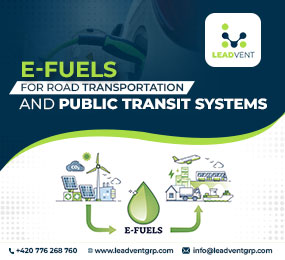
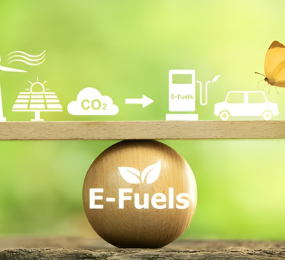
E-fuels are created through a relatively straightforward chemical process. First, green hydrogen is produced by splitting water using electricity from wind, solar, or hydro sources. This hydrogen is then combined with carbon dioxide often captured directly from the air or recycled from industrial sources. The result? A synthetic fuel that can burn cleanly in conventional combustion engines.
These fuels don’t require new fueling infrastructure, new engines, or massive changes in how we move or manufacture goods. That’s part of their appeal especially for industries like aviation, shipping, and long-haul freight, where battery solutions remain impractical due to weight and range limitations.
A Solution, Not a Shortcut
E-fuels aren’t meant to replace electrification. They’re part of a larger energy puzzle. While battery-electric vehicles may be ideal for urban transport and short distances, e-fuels provide a realistic pathway to decarbonize sectors that can’t easily switch.
Aircraft and cargo ships, for example, have long service lives and global networks already built around liquid fuel. Retrofitting or replacing everything would take decades and trillions of dollars. E-fuels offer a way to start cutting emissions now, using what’s already in place.
And for millions of internal combustion vehicles still on the road especially in developing countries e-fuels could extend their usable life in a low-carbon future.
Scaling Up Without Cutting Corners
Right now, the biggest challenge with e-fuels is cost and scale. Producing them requires a lot of renewable energy and advanced facilities that are still in early stages. But costs are expected to fall with innovation, global cooperation, and growing demand.
Europe is leading the way, with Germany and Chile building pilot plants and launching long-term production agreements. The automotive and aviation industries are investing too, seeing e-fuels as a practical complement to their existing sustainability strategies.
Transparency, regulation, and life-cycle emissions tracking will be key to ensuring e-fuels deliver on their promise.
Takeaway
E-fuels aren’t a magic fix but they’re a smart, realistic bridge. They give us time. Time to build out infrastructure, transition hard-to-abate sectors, and cut emissions without starting from scratch. In a world that needs every tool on the table, e-fuels are one solution we can’t afford to overlook.
Learn more on our website: https://www.leadventgrp.com/events/2nd-annual-world-e-fuels-summit/details
For more information and group participation, contact us: [email protected]
Leadvent Group - Industry Leading Events for Business Leaders!
www.leadventgrp.com | [email protected]








Comment