

E-Fuels: Powering the Transition to Cleaner Energy
As industries search for practical ways to reduce carbon emissions without disrupting existing operations, e-fuels are emerging as one of the most promising alternatives. Also known as synthetic fuels, e-fuels are designed to provide the performance of traditional fuels while significantly lowering environmental impact. Their flexibility and compatibility with existing infrastructure make them an important part of the global energy transition.
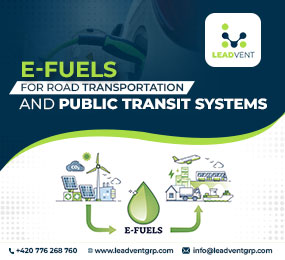
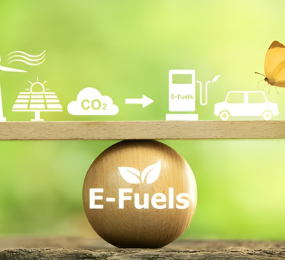
E-fuels are produced using renewable electricity, hydrogen, and captured carbon dioxide. The process begins with electrolysis, where electricity generated from renewable sources such as wind or solar is used to split water into hydrogen and oxygen. The hydrogen is then combined with carbon dioxide captured from industrial processes or directly from the atmosphere to create synthetic fuels including e-methanol, e-diesel, and e-kerosene.
One of the key advantages of e-fuels is that they can often be used within current engines and fuel systems. Unlike some energy alternatives that require entirely new infrastructure, e-fuels can work with existing pipelines, storage facilities, and fueling networks. This allows industries to reduce emissions without making immediate large-scale changes to equipment and operations.
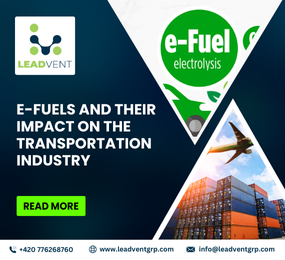
The transportation sector is one of the biggest areas of opportunity for e-fuels. Aviation, maritime shipping, and heavy-duty transport all require high energy-density fuels that batteries alone may not yet provide at scale. E-fuels offer a realistic pathway for these sectors to lower emissions while maintaining operational reliability.
In aviation, e-fuels can be blended with conventional jet fuel to reduce lifecycle carbon emissions without affecting aircraft performance. This is particularly important for long-haul flights where electrification remains technologically challenging. Similarly, the shipping industry is exploring synthetic fuels as a way to decarbonize global maritime transport while maintaining the efficiency required for international trade.
Industrial operations can also benefit from e-fuels. Certain manufacturing processes require intense heat and continuous energy supply, making direct electrification difficult in some cases. Synthetic fuels provide an alternative energy source that supports cleaner industrial production.
Despite their advantages, e-fuels face several challenges. Production is energy-intensive and currently expensive compared to fossil fuels. Large amounts of renewable electricity are required, meaning the growth of e-fuels depends heavily on the expansion of renewable energy infrastructure worldwide.
Efficiency is another factor under discussion. The conversion of electricity into fuel and then back into usable energy involves energy losses at multiple stages. For this reason, many experts see e-fuels as a complement to electrification rather than a replacement for it.
Technological progress, however, is helping improve production efficiency and reduce costs. Advances in electrolysis systems, carbon capture technology, and fuel synthesis methods are making e-fuels more commercially viable. Increased investment and research are expected to accelerate this progress in the coming years.
Government policies and international climate goals are also supporting the development of e-fuels. Incentives, research funding, and carbon reduction regulations are encouraging industries to adopt cleaner fuel solutions and invest in long-term sustainability strategies.
E-fuels are not a single answer to the world’s energy challenges, but they represent a practical and scalable solution for sectors where low-carbon alternatives are still limited. Their ability to bridge existing infrastructure with future sustainability goals makes them a valuable part of the clean energy landscape.
Takeaway Point:
E-fuels provide a practical low-carbon solution for industries that are difficult to electrify, helping reduce emissions while supporting the transition to cleaner and more sustainable energy systems.
Learn more on our website: https://www.leadventgrp.com/event/3rd-annual-world-e-fuels-summit/register
For more information and group participation, contact us: [email protected]
Leadvent Group - Industry Leading Events for Business Leaders!
www.leadventgrp.com | [email protected]










Comment