

E-Fuels: Bridging the Gap to a Low-Carbon Future
In the global push to reduce carbon emissions, few solutions have generated as much interest as e-fuels. These synthetic fuels, produced using renewable electricity, offer a pathway to decarbonize sectors where direct electrification is challenging such as aviation, shipping, and heavy-duty transport.
What Are E-Fuels?
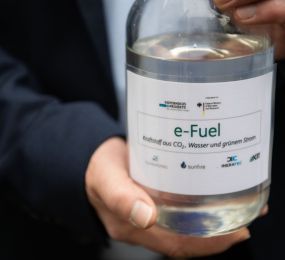
E-fuels, or electrofuels, are created by combining green hydrogen produced from water through electrolysis using renewable energy with carbon dioxide captured from the air or industrial sources. The result is a liquid or gaseous fuel that can be used in existing internal combustion engines, turbines, or fuel cells without the need for major infrastructure changes.
Why They Matter
One of the biggest strengths of e-fuels is their compatibility with today’s transport and energy systems. Unlike hydrogen or electric power, which require new infrastructure and technology adaptations, e-fuels can be stored, transported, and used in the same way as conventional fuels. This makes them an attractive transitional solution, particularly for industries with long asset lifespans.
Moreover, when produced entirely from renewable sources, e-fuels can be nearly carbon-neutral. The CO? released during combustion is essentially the same amount that was captured during their production, creating a closed carbon loop.
Sectors That Stand to Benefit
While light passenger vehicles are increasingly shifting towards battery-electric technology, e-fuels are particularly promising for:
1. Aviation: Providing a drop-in replacement for jet fuel without sacrificing performance or range.
2. Maritime transport: Offering a cleaner alternative to heavy fuel oil for long-distance shipping.
3. Heavy industry and power generation: Reducing reliance on coal, oil, or natural gas in hard-to-electrify applications.
Challenges to Overcome
E-fuels are still in the early stages of commercial deployment, and several challenges stand in the way of widespread adoption. Production costs remain high, largely due to
the expense of green hydrogen and CO? capture. Scaling production facilities and ensuring affordable renewable electricity supply are critical steps for competitiveness.
Additionally, efficiency is a concern. The energy required to produce e-fuels is higher than that needed to power battery-electric systems, meaning their use should be prioritized for sectors where direct electrification is impractical.
Looking Ahead
Governments, industry leaders, and energy companies are beginning to invest heavily in e-fuel projects. Pilot plants are emerging in Europe, the Middle East, and South America, with the aim of proving the technology at scale and reducing costs through innovation and volume.
Takeaway Point: E-fuels are not a silver bullet, but they are a powerful tool in the clean energy transition. By enabling carbon-neutral fuel options for hard-to-electrify sectors, they can complement renewable electricity and hydrogen solutions helping the world move closer to its net-zero goals. Learn more on our website: https://www.leadventgrp.com/event/2nd-annual-world-e-fuels-summit/register
For more information and group participation, contact us: [email protected]
Leadvent Group - Industry Leading Events for Business Leaders!
www.leadventgrp.com | [email protected]











Comment