

E-Fuels: A Practical Bridge Toward a Cleaner Mobility Future
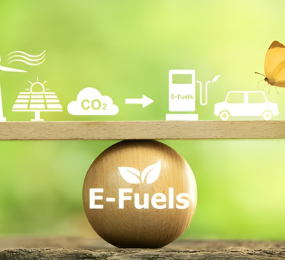
In the pursuit of a low-carbon future, the conversation often centers around electric vehicles, wind turbines, and solar panels. But there’s a quieter, equally promising innovation gaining traction in the mobility and energy sectors E-Fuels. Short for "electrofuels," e-fuels are synthetic fuels made by combining captured carbon dioxide (CO?) with hydrogen produced from renewable electricity.
On the surface, the idea might seem like science fiction: turning air and water into a fuel that can power planes, ships, and even cars. But that’s exactly what’s happening right now in laboratories, pilot plants, and early-stage production facilities across the globe. What makes e-fuels unique is their compatibility with existing internal combustion engines and fuel infrastructure. This means they can significantly cut carbon emissions without requiring an immediate overhaul of global transport systems.
E-fuels offer a practical solution for sectors that are notoriously difficult to electrify. Think of long-haul aviation, shipping, and heavy-duty trucking industries where batteries are either too heavy or lack the energy density required for long-distance operation. E-fuels can provide the cleaner combustion alternative these industries need while tapping into infrastructure already in place.
From a sustainability point of view, e-fuels shine when made using green hydrogen (produced through electrolysis powered by renewable energy) and captured CO? from the atmosphere or industrial processes. The result is a closed carbon loop where the carbon released during combustion is roughly equal to what was initially captured, offering a carbon-neutral fuel cycle.
However, challenges remain. Producing e-fuels at scale is currently energy-intensive and costly. But as renewable energy becomes more abundant and affordable, and as electrolysis technologies mature, these hurdles are expected to ease. Europe, for instance, is already investing heavily in e-fuel projects to help meet its climate targets, especially under the “Fit for 55” package and initiatives like ReFuelEU Aviation.
There’s also a growing debate around prioritization. Should green electricity be used for making synthetic fuels when it could be used directly to power electric vehicles or homes? While valid, the counterargument lies in e-fuels’ ability to complement not replace other clean energy solutions, especially where direct electrification isn’t viable.
In this evolving energy landscape, e-fuels present a pragmatic path forward especially for countries and industries looking for transitional technologies that align with long-term climate goals.
Takeaway Point:
E-fuels are not a silver bullet, but they are a critical tool in the decarbonization toolkit. By leveraging renewable electricity and existing engine infrastructure, they offer a sustainable way to reduce emissions in hard-to-electrify sectors bridging today’s energy systems with the net-zero world of tomorrow.
Learn more on our website: https://www.leadventgrp.com/event/2nd-annual-world-e-fuels-summit/register
For more information and group participation, contact us: [email protected]
Leadvent Group - Industry Leading Events for Business Leaders!
www.leadventgrp.com | [email protected]









Comment