

E-Fuels: A Cleaner Path for Hard-to-Decarbonize Sectors
As the world transitions away from fossil fuels, the focus has largely been on electricity from solar panels to battery-powered cars. But there’s a growing recognition that not all sectors can electrify easily. For aviation, shipping, and long-haul transport, batteries alone may not provide the range or energy density required. That’s where e-fuels come in.
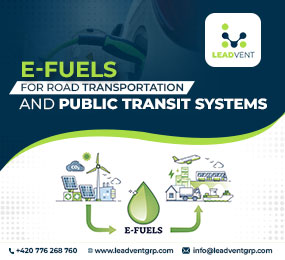
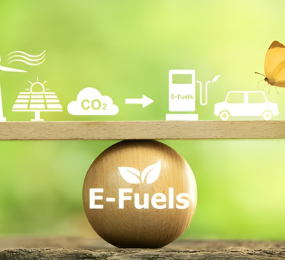
E-fuels short for electrofuels are synthetic fuels made by combining hydrogen (from water electrolysis) with carbon dioxide (captured from the air or industrial processes). The result? A liquid fuel that can be used in existing engines and infrastructure, but with dramatically lower lifecycle emissions when produced using renewable electricity.
Why E-Fuels Matter
One of the major advantages of e-fuels is their compatibility. Unlike hydrogen gas or battery systems that require new vehicles, charging stations, or tanks, e-fuels can be used in today’s internal combustion engines, ships, airplanes, and fuel distribution networks. This makes them especially attractive for sectors that are costly or technically difficult to convert to electric power.
For example, decarbonizing aviation is one of the biggest challenges facing the transport sector. Planes need high energy density fuels, and weight is a major constraint. E-kerosene, a form of e-fuel tailored for aviation, can power existing jet engines without modifications making it a viable route to cleaner skies without reinventing the industry.
Shipping is another key area. The global maritime fleet is still overwhelmingly diesel-powered. Transitioning to e-methanol or e-diesel offers a lower-emission option without requiring massive changes to vessels or refueling ports.
Challenges on the Road Ahead
While the promise of e-fuels is strong, scaling them comes with challenges. Right now, they are expensive to produce. Manufacturing e-fuels requires large amounts of clean electricity, advanced carbon capture, and efficient electrolysis. These technologies exist but need further investment to become cost-competitive.
Policy support will be key. Government incentives, blending mandates, and carbon pricing could help level the playing field and drive early adoption. Several countries, including Germany and Japan, are already backing e-fuel development through public-private partnerships.
There’s also a need for global coordination. Since e-fuels can be transported across borders like traditional fuels, countries with abundant renewable resources could become exporters offering a new opportunity for energy trade and regional cooperation.
A Complementary Solution
Importantly, e-fuels are not meant to replace electrification where it makes sense. Battery electric vehicles and green hydrogen will remain vital in many sectors. But for the most difficult-to-electrify applications, e-fuels can provide a practical bridge toward decarbonization without sacrificing performance or infrastructure.
Takeaway Point: E-fuels offer a realistic and scalable solution for cutting emissions in industries where electrification falls short. While challenges remain, their ability to power existing engines cleanly makes them a crucial piece of the net-zero puzzle especially for aviation, shipping, and heavy-duty transport.
Learn more on our website: https://www.leadventgrp.com/event/2nd-annual-world-e-fuels-summit/register
For more information and group participation, contact us: [email protected]
Leadvent Group - Industry Leading Events for Business Leaders!
www.leadventgrp.com | [email protected]










Comment