

Driving Towards Safer Roads: The Importance of Automotive Safety in Modern Mobility
The automotive industry has undergone a profound transformation over the past century, but one priority has remained constant safety. As vehicles become more intelligent, connected, and electrified, ensuring driver and passenger protection remains at the heart of automotive innovation. Today, automotive safety is not just about airbags and seatbelts, it’s about creating a holistic ecosystem that prevents accidents before they happen.
The Evolution of Vehicle Safety
In the early days of motoring, safety was a secondary concern. Cars were built for performance and design rather than protection. Over time, however, the rising number of road accidents led to an industry-wide shift. The introduction of seatbelts, crumple zones, and anti-lock braking systems (ABS) marked major milestones that dramatically reduced fatalities.
Today, the conversation has evolved from passive safety protecting occupants during a crash to active safety, which focuses on preventing crashes altogether. The integration of technologies like Automatic Emergency Braking (AEB), Lane Keeping Assist, Adaptive Cruise Control, and Blind Spot Detection reflects this new philosophy of prevention over reaction.
Technology at the Core of Safety
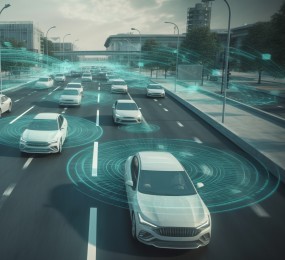
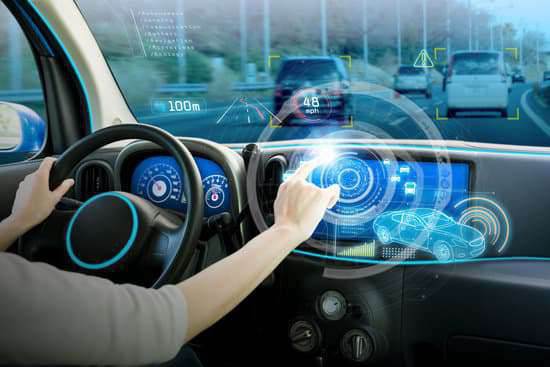
Modern vehicles are now equipped with Advanced Driver Assistance Systems (ADAS) powered by sensors, cameras, and radar. These systems continuously monitor the vehicle’s surroundings, detect potential hazards, and even intervene when drivers fail to respond in time.
At the forefront of this evolution is functional safety, governed by international standards such as ISO 26262, which ensures that electronic and electrical systems in vehicles operate reliably under all conditions. This standard has become essential in the era of electric and autonomous vehicles, where a single software malfunction could have life-threatening consequences.
Furthermore, the rise of vehicle-to-everything (V2X) communication where cars share data with other vehicles and road infrastructure promises to create a safer,
more coordinated traffic environment. With predictive analytics and real-time data sharing, vehicles can anticipate dangers before they even appear on the road.
Human Factors and Education
While technology plays a critical role, human behavior remains the biggest variable in road safety. Distracted driving, speeding, and impaired driving continue to be major causes of accidents. Therefore, safety is not just a matter of engineering, it’s also about cultivating a culture of responsibility and awareness among road users. Governments, automakers, and NGOs are working together to promote safer driving habits through campaigns, stricter regulations, and improved licensing standards.
The Road Ahead
As the automotive landscape shifts toward autonomy and electrification, safety innovation must evolve alongside it. The industry’s future will depend on collaboration between engineers, policymakers, and data scientists to ensure that advanced systems enhance, rather than replace, human judgment.
Takeaway Point: Automotive safety is more than a technological pursuit, it’s a shared commitment to saving lives. Through smarter systems, stronger regulations, and responsible driving, the road to zero fatalities becomes not just a vision, but an achievable reality.
Learn more on our website: https://www.leadventgrp.com/event/3rd-annual-automotive-functional-safety-forum/register
For more information and group participation, contact us: [email protected]
Leadvent Group - Industry Leading Events for Business Leaders!
www.leadventgrp.com | [email protected]












Comment