

Driving Change Off the Highway: The Future of Non-Road Mobile Machinery
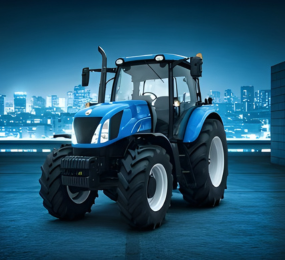
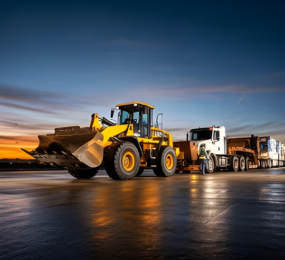
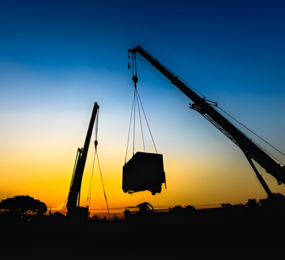
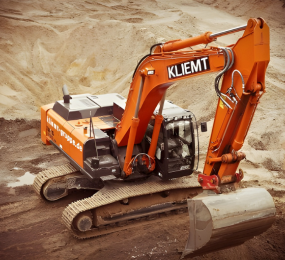
While most of us think about vehicles in terms of what we see on the roads cars, buses, trucks there’s an entirely different class of machines that rarely gets the spotlight: non-road mobile machinery (NRMM). These are the powerful engines behind construction sites, farms, mining operations, airports, and ports. From excavators and tractors to cranes and ground support vehicles, NRMM quietly keeps our cities running and our supply chains moving.
These machines may not have license plates, but their role in modern life is impossible to ignore. And now, with global sustainability goals tightening and environmental awareness rising, NRMM is undergoing a long-overdue transformation.
What Is Non-Road Mobile Machinery?
Non-road mobile machinery refers to equipment powered by internal combustion engines that operate off public roads. These machines are typically used in construction, agriculture, forestry, mining, and material handling. Because they often run in demanding conditions dust, mud, remote locations they’re built for durability and power.
Traditionally, most NRMM has relied on diesel engines, valued for their strength and endurance. However, these engines are also significant emitters of particulate matter, nitrogen oxides, and CO?. In cities, construction machinery alone can contribute heavily to local air pollution. In rural areas, tractors and harvesters still operate with little regulatory oversight.
This is where the conversation around cleaner, smarter machinery begins.
A Sector Ready for Change
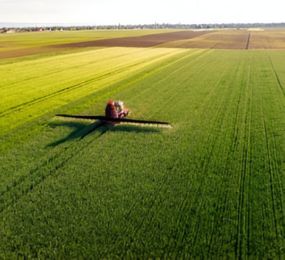
Today, manufacturers, governments, and operators are rethinking how NRMM can align with cleaner practices. Electric compact excavators are already on the market. Hybrid backhoes and hydrogen-powered loaders are being tested on job sites. Agricultural machinery is starting to adopt renewable fuels and smarter engine systems that reduce emissions and improve efficiency.
Beyond just emissions, NRMM is getting a digital upgrade. Fleet tracking, predictive maintenance, and energy monitoring are becoming standard in new equipment. These tools help businesses run more efficiently, save on fuel costs, and reduce downtime.
Regulation and Responsibility
Governments are playing a key role in encouraging the shift. In Europe, Stage V emissions standards are raising the bar for engine performance and environmental impact. Cities like London are introducing clean construction zones where only low-emission machinery can be used. In the U.S. and Asia, similar policies are emerging to guide manufacturers and buyers toward more sustainable options.
Still, adoption varies. One of the biggest challenges is the cost of upgrading or replacing fleets. Incentives, training, and financing options will be essential to help smaller contractors and farmers make the transition.
Takeaway Point:
Non-road mobile machinery may operate behind the scenes, but its environmental and economic impact is front and center. By embracing cleaner technologies, smarter systems, and forward-thinking policy, this vital sector can move toward a more sustainable future without missing a beat.
Learn more on our website: https://www.leadventgrp.com/event/2nd-annual-non-road-mobile-machinery-electrification-and-decarbonization-forum/register
For more information and group participation, contact us: [email protected] .
Leadvent Group - Industry Leading Events for Business Leaders!
www.leadventgrp.com | [email protected]







Comment