

Decarbonizing Non-Road Mobile Machinery: Paving the Way for Cleaner Industries
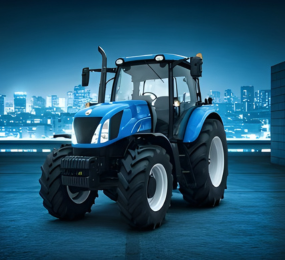
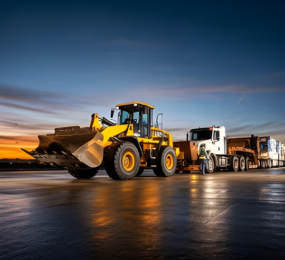
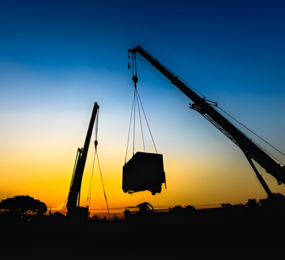
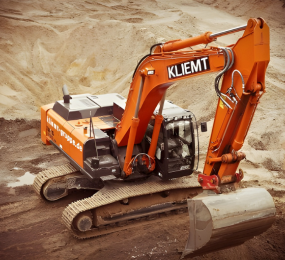
Non-road mobile machinery (NRMM) forms the backbone of industries such as construction, agriculture, logistics, and mining. From excavators and bulldozers to tractors and cranes, these machines keep economies moving and infrastructure growing. Yet, they are also a significant contributor to emissions, air pollution, and noise challenges that call for urgent solutions as the world moves toward a low-carbon future.
Decarbonizing NRMM is not only a matter of environmental responsibility; it is about reshaping industries to operate more efficiently, sustainably, and competitively in a world where carbon reduction is no longer optional.
Why NRMM Decarbonization Matters
Unlike passenger cars and trucks, NRMM has long remained outside the spotlight of emissions regulation. However, the scale of its environmental footprint is impossible to ignore. Heavy-duty engines running on diesel fuel release greenhouse gases and harmful pollutants such as nitrogen oxides and particulate matter, which affect both climate and public health.
With construction and agriculture expected to grow rapidly in the coming decades, reducing emissions from NRMM is critical to achieving broader climate goals. Governments, manufacturers, and operators are beginning to recognize that decarbonization of this sector is a priority.
Pathways to Cleaner Machinery
The journey toward decarbonizing NRMM involves a mix of technologies, innovation, and regulatory support. Electrification stands at the forefront, with manufacturers introducing battery-powered excavators, loaders, and other machinery designed for urban construction and low-emission zones. While challenges remain in terms of battery capacity and charging infrastructure, progress is accelerating.
Hydrogen and biofuels are also emerging as viable solutions. Hydrogen-powered engines and fuel cells promise high energy density and quick refueling, making them attractive for heavy-duty machinery. Meanwhile, advanced biofuels offer a drop-in alternative for existing diesel engines, reducing emissions without requiring significant modifications.
Digitalization and data-driven innovation further support decarbonization. Smart telematics and predictive maintenance help reduce fuel use, while automation allows machines to operate more precisely, cutting down unnecessary energy consumption.
The Role of Policy and Collaboration
For NRMM decarbonization to succeed, it requires strong collaboration between policymakers, manufacturers, and operators. Regulatory frameworks that set emissions targets, incentivize cleaner technologies, and support infrastructure development are vital. At the same time, businesses must see decarbonization not just as compliance but as an investment in long-term efficiency and competitiveness.
Public procurement policies can also play a key role. By demanding low-emission equipment for public projects, governments can create market pull that encourages wider adoption of clean machinery.
A Future of Cleaner Operations
The transition will not happen overnight. The diversity of machinery types, long equipment lifespans, and cost barriers present real challenges. However, with innovation, investment, and policy support, industries are moving closer to a future where non-road mobile machinery operates with minimal environmental impact.
Takeaway Point: Decarbonizing non-road mobile machinery is essential for building sustainable industries and achieving climate goals. By combining electrification, hydrogen, biofuels, and smarter operations, the sector can reduce emissions while maintaining productivity proving that progress and responsibility can move hand in hand.
Learn more on our website: https://www.leadventgrp.com/event/2nd-annual-non-road-mobile-machinery-electrification-and-decarbonization-forum/register
For more information and group participation, contact us: [email protected]
Leadvent Group - Industry Leading Events for Business Leaders!
www.leadventgrp.com | [email protected]








Comment