

Decarbonizing Non-Road Mobile Machinery: A Path Toward Cleaner Operations
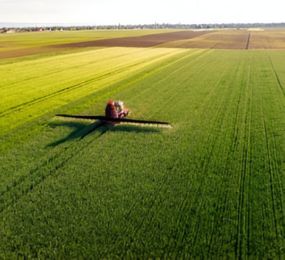
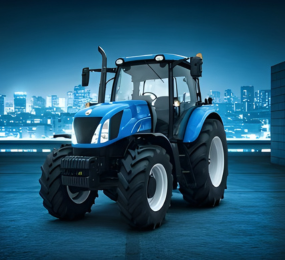
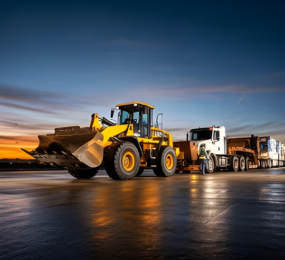
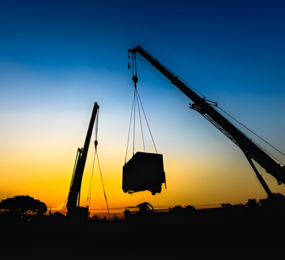
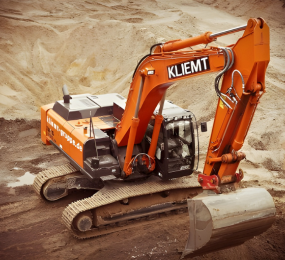
Non-road mobile machinery (NRMM) plays a crucial role in industries ranging from construction and mining to agriculture and logistics. These machines excavators, bulldozers, tractors, cranes, and forklifts keep economies moving, yet they are also significant contributors to fuel consumption and emissions. As the world intensifies its focus on sustainability and cleaner operations, NRMM has become a central part of the decarbonization conversation.
Why NRMM Matters in the Climate Agenda
Unlike passenger vehicles, NRMM is often overlooked in climate discussions. However, the reality is that these machines consume large amounts of diesel and account for a notable share of nitrogen oxide (NOx), particulate matter, and carbon dioxide emissions. Their widespread use in urban areas means their impact on both air quality and climate change is significant. Addressing NRMM emissions is, therefore, not just an environmental necessity it is a public health priority.
Innovation Leading the Way
The journey to decarbonizing NRMM is gaining momentum through a mix of electrification, hybrid solutions, and alternative fuels. Battery-powered construction and agricultural machinery are already entering the market, offering quieter, cleaner, and more efficient operations. For heavy-duty applications, hydrogen and biofuels present promising alternatives, ensuring that industries can maintain productivity while cutting their carbon footprint.
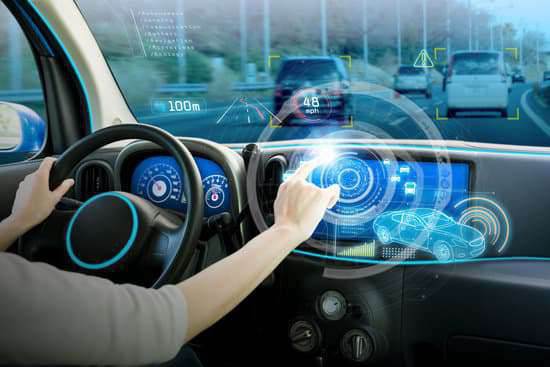
Digital innovation is also transforming the sector. Telematics and data-driven monitoring systems provide real-time insights into fuel efficiency, machine performance, and maintenance needs. These tools allow operators to reduce unnecessary idling, optimize workloads, and extend machinery lifespan—all contributing to lower emissions and costs.
Policy and Industry Collaboration
Regulations in Europe, North America, and Asia are pushing for stricter emission standards for NRMM, encouraging manufacturers and operators to adopt cleaner technologies. Governments are also introducing incentives, grants, and pilot projects to accelerate this transition. Collaboration between policymakers, equipment manufacturers, and industry players is key to ensuring that new technologies are affordable, scalable, and accessible across sectors.
Benefits Beyond Emissions Reduction
The benefits of decarbonizing NRMM extend far beyond cutting greenhouse gases. Cleaner machinery reduces noise pollution, improves air quality for communities, and enhances workplace safety. For businesses, it strengthens compliance with evolving regulations and reinforces environmental, social, and governance (ESG) commitments an increasingly important factor in building trust with stakeholders and investors.
Looking Ahead
The future of NRMM lies in striking a balance between innovation, regulation, and adoption. While challenges remain such as battery limitations for heavy-duty applications and the cost of transitioning progress is undeniable. The shift to cleaner machinery is reshaping industries, proving that sustainability and productivity can go hand in hand.
Takeaway Point: Decarbonizing non-road mobile machinery is no longer optional it is essential. Through electrification, digital innovation, and strong collaboration, NRMM can evolve into a cleaner, more efficient backbone of industries, contributing to both climate goals and healthier communities.
Learn more on our website: https://www.leadventgrp.com/event/2nd-annual-non-road-mobile-machinery-electrification-and-decarbonization-forum/register
For more information and group participation, contact us: [email protected]
Leadvent Group - Industry Leading Events for Business Leaders!
www.leadventgrp.com | [email protected]






Comment