

Data Analytics and AI in EV Charging Network Optimization
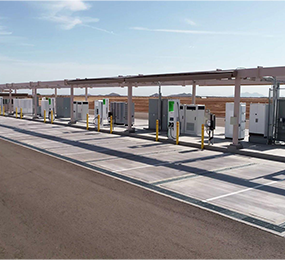
The global transition to electric mobility is no longer limited by vehicle availability, but by the intelligence of the charging infrastructure. As EV adoption scales, the strain on local power grids and the complexity of managing thousands of charging nodes have made traditional, static management systems obsolete. Data analytics and Artificial Intelligence (AI) have emerged as the "central nervous system" of modern charging networks, transforming them from passive hardware into proactive, cognitive ecosystems.
Predictive Demand and Strategic Placement
The optimization process begins with geospatial intelligence. By analyzing vast datasets—including traffic flow, population density, point-of-interest dwell times, and grid capacity—AI models identify the most strategic locations for new chargers. Once operational, Long Short-Term Memory (LSTM) networks and Random Forest algorithms analyze historical usage and local variables (such as weather or events) to forecast demand. This allows operators to predict station occupancy with high precision, reducing "range anxiety" for drivers and maximizing ROI for investors.
Dynamic Load Management and Grid Stability
AI plays a critical role in "Smart Charging." Rather than allowing every vehicle to pull maximum power simultaneously—which could overwhelm local transformers—intelligent load balancing systems dynamically distribute available current. These systems monitor grid health in real-time, throttling speeds during peak residential demand and accelerating them when renewable energy is abundant. This "Grid-to-Vehicle" (G2V) and "Vehicle-to-Grid" (V2G) coordination ensures that the EV revolution supports, rather than destabilizes, the utility infrastructure.
Predictive Maintenance and Reliability
Network uptime is the most critical metric for user trust. Through IoT-integrated sensors, machine learning models perform anomaly detection on voltage fluctuations and temperature spikes. This predictive maintenance identifies component degradation weeks before a failure occurs, reducing emergency repair costs by up to 40% and ensuring that chargers are functional when drivers arrive.
By shifting from reactive maintenance to predictive intelligence, AI reduces operational overhead and enhances the user experience. As the bridge between the digital grid and physical mobility, data analytics is the essential catalyst for a reliable, sustainable, and profitable electric future.
Visit our website to know more: https://www.leadventgrp.com/events/4th-annual-ev-charging-infrastructure-forum/details
For more information and group participation, contact us: [email protected]
Leadvent Group - Industry Leading Events for Business Leaders!
www.leadventgrp.com| [email protected]





Comment