

Climate Adaptation Strategies for Africa’s Vulnerable Regions
As 2026 unfolds, Africa remains the global epicenter of climate vulnerability. Despite contributing less than 4% of global greenhouse gas emissions, the continent faces an existential threat from accelerating desertification, erratic rainfall, and rising sea levels. However, a new era of resilience is emerging, defined not by victimhood, but by innovative, locally-led adaptation strategies.
1. Climate-Smart Agriculture (CSA)
Agriculture is the backbone of African economies, yet it is hyper-sensitive to climate shifts. In 2026, the transition toward regenerative farming and drought-resistant crop varieties—such as heat-tolerant maize and biofortified beans—has become standard. Techniques like precision irrigation and mulching are helping smallholder farmers in the Sahel and East Africa maintain yields even during prolonged dry spells.
2. Nature-Based Solutions and Water Security
Water scarcity is a primary driver of regional instability. Current strategies prioritize "green infrastructure." For instance, the restoration of wetlands and the expansion of the Great Green Wall serve as natural buffers against soil erosion and floods. In urban hubs, "sponge city" concepts are being adapted to manage stormwater and replenish groundwater, reducing the impact of flash floods in densely populated areas.
3. Early Warning Systems (EWS)
Advancements in satellite technology and AI-driven forecasting are now providing farmers and coastal communities with real-time data. These Early Warning Systems allow for "anticipatory action"—moving livestock or harvesting crops before a disaster strikes. This shift from reactive crisis management to proactive risk mitigation is saving lives and billions in economic assets.
4. Locally-Led Adaptation Finance
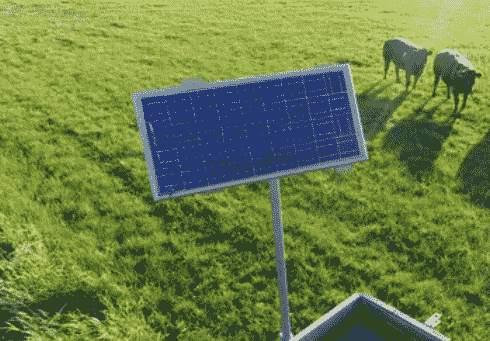
The most effective solutions are those rooted in community governance. By 2026, there is a significant push for decentralized climate finance, ensuring funds reach local municipalities directly. This empowers women and youth-led initiatives to implement tailored solutions, such as community-owned solar grids or village-level seed banks.
While the challenges are immense, Africa’s path forward is clear: integrating traditional indigenous knowledge with modern technology to build a resilient, self-sustaining future.
Visit our website to know more: https://www.leadventgrp.com/events/2nd-annual-esg-and-climate-africa-summit/details
For more information and group participation, contact us: [email protected]
Leadvent Group - Industry Leading Events for Business Leaders!
www.leadventgrp.com| [email protected]












Comment