

Cable Burial Techniques and Their Influence on System Longevity
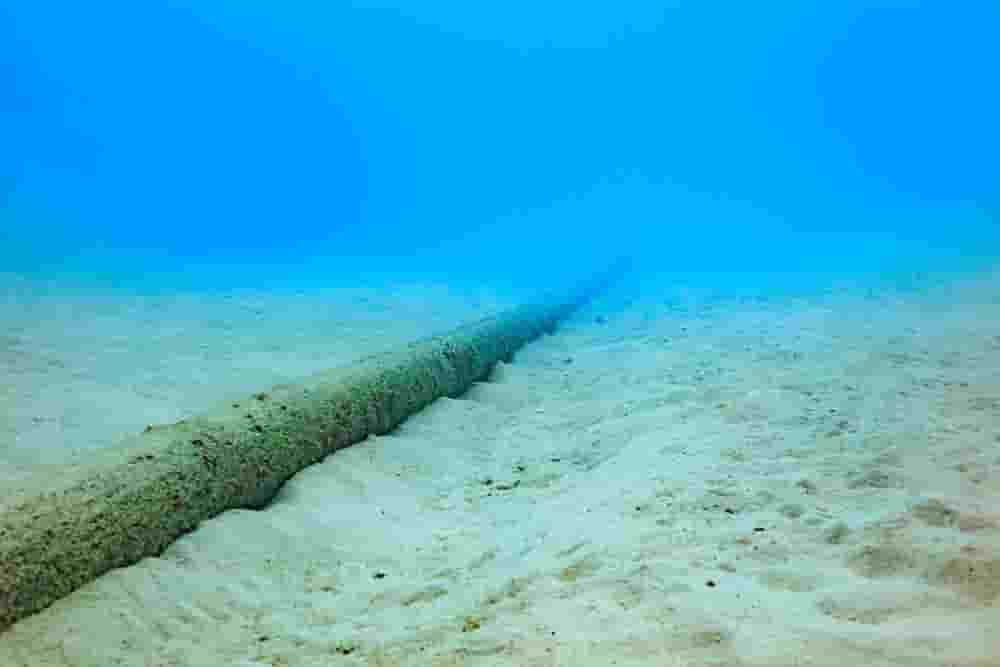
Subsea and underground power cables are the invisible arteries of modern infrastructure, carrying energy across oceans and urban landscapes. However, the reliability of these systems is not just a matter of cable quality; it is deeply tied to the burial technique employed during installation. Proper burial serves as the primary defense against external threats, directly dictating the system’s operational lifespan.
The Shield Against External Threats
The most significant cause of cable failure is external mechanical damage, often from anchor drags, fishing trawlers, or accidental excavation. Burial techniques such as jet trenching, mechanical cutting, and plowing create a protective buffer.
- Jetting uses high-pressure water to fluidize the seabed, allowing the cable to sink to a target depth. It is ideal for soft sediments but requires precise execution to ensure the soil resettles correctly.
- Mechanical Trenching is used for harder rocky substrates, providing a stable, deep environment where cables are safe from surface-level interference.
Thermal Management and Soil Stability
Longevity is also a function of temperature. When a cable carries high voltage, it generates heat. If the burial medium has poor thermal conductivity, the cable can overheat, leading to insulation degradation—a process known as thermal aging.
Strategic burial involves selecting backfill materials with high thermal stability. In some cases, a "controlled backfill" is used to ensure that the heat dissipates efficiently into the surrounding earth. If a cable is buried too deep in a poorly conducting soil, it may have to be "derated," meaning it carries less power to avoid melting itself from the inside out.
The Bottom Line
Choosing the right technique is a balance between seabed/soil conditions and the required protection level. While deep burial in rocky terrain is expensive, it prevents the catastrophic costs of emergency repairs. By prioritizing precise burial depths and thermal environment management, operators can extend the life of a cable system from a few years to several decades.




Comment