

Building Resilience into EV Charging Infrastructure Against Extreme Weather
The accelerating global shift toward electric vehicles (EVs) hinges entirely on a reliable, ubiquitous charging infrastructure. However, as climate change intensifies, this nascent network faces existential threats from increasingly frequent and severe extreme weather events, including intense heatwaves, floods, and powerful storms. Designing charging infrastructure with resilience isn't optional; it's a foundational requirement for securing the future of e-mobility and the stability of the entire electric grid.
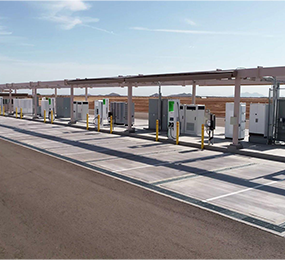
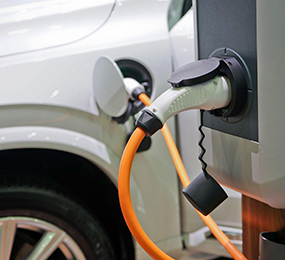
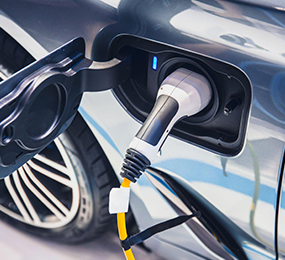
Resilience begins with physical hardening and intelligent site selection. Charging hubs must be strategically located away from known flood plains and coastal erosion zones. For unavoidable risk areas, protective measures like installing charging cabinets on elevated, reinforced platforms and implementing robust drainage systems are essential. Equipment itself requires environmental hardening—using corrosion-resistant materials and integrating advanced cooling or heating mechanisms to ensure chargers remain operational during periods of record heat or deep freezing. This proactive physical defense minimizes immediate weather-related failures and maintenance costs.
Crucially, technological resilience necessitates decentralization. Integrating Battery Energy Storage Systems (BESS) directly at key charging depots allows these locations to operate as self-sustaining microgrids. During a widespread grid outage, these sites can instantly disconnect and function autonomously, providing essential charging services and preventing downtime. This capability is paramount for maintaining emergency response mobility. Furthermore, smart grid integration enables utilities to use the charging network for load balancing, allowing for remote diagnostics, dynamic load shedding, and real-time monitoring to anticipate and mitigate stress points before extreme weather causes total failure.
By combining robust physical protection with smart, decentralized technology, we can ensure the EV charging network remains reliable, proving that the energy transition is not only sustainable but also secure against the harsh realities of a changing climate.
Visit our website to know more: https://www.leadventgrp.com/events/4th-annual-ev-charging-infrastructure-forum/details
For more information and group participation, contact us: [email protected]
Leadvent Group - Industry Leading Events for Business Leaders!




Comment