

Building a Culture of Agility and Adaptability in Supply Chain Operations
In an era of "permancrisis"—defined by geopolitical shifts, climate volatility, and rapid technological disruption—the most resilient supply chains are not just those with the best software, but those with the most adaptable cultures. Moving from a rigid, cost-optimized model to an agile, responsive framework requires a fundamental shift in organizational mindset.
Empowerment Over Hierarchy
A culture of agility begins with decentralized decision-making. In traditional supply chains, frontline managers often wait for executive approval to reroute shipments or switch suppliers during a disruption. An agile culture empowers teams with "bounded autonomy," allowing those closest to the data to make real-time adjustments. This speed of response is critical when port strikes or weather events threaten to halt production.
Psychological Safety and Innovation
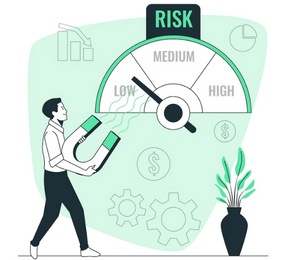
Adaptability requires a "fail-fast, learn-faster" mentality. If employees fear retribution for a failed pilot program or an unconventional solution, they will default to the status quo. Leaders must foster psychological safety, where transparency regarding supply chain vulnerabilities is rewarded rather than punished. When teams feel safe to highlight risks, the organization can pivot proactively rather than reacting to a full-blown crisis.
Cross-Functional Collaboration
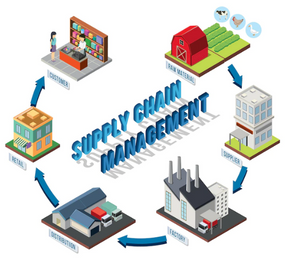
Siloed departments are the enemy of agility. A culture of adaptability breaks down the walls between procurement, logistics, sales, and IT. By utilizing "control tower" visibility and shared KPIs, these departments begin to view the supply chain as an end-to-end ecosystem. This collaborative spirit ensures that a change in one area—such as a shortage of raw materials—is immediately compensated for by adjustments in production scheduling and customer expectations.
Building an agile supply chain is less about the tools and more about the people using them. By prioritizing transparency, empowerment, and continuous learning, organizations can transform their supply chain from a back-office function into a dynamic competitive advantage.
Visit our website to know more: https://www.leadventgrp.com/events/3rd-annual-supply-chain-risk-and-resilience-forum/details
For more information and group participation, contact us: [email protected]
Leadvent Group - Industry Leading Events for Business Leaders!
www.leadventgrp.com| [email protected]













Comment