

How Biomethane Is Reshaping Europe's Energy Future
Solar and wind have dominated the clean energy conversation for years. But a different transformation is gaining ground, one rooted in farmland, food waste, and organic matter.
Biomethane is a renewable gas from the controlled breakdown of biological materials. It is dispatchable, storable, and works within infrastructure that already exists. For policymakers, investors, and energy professionals, its relevance to both energy security and climate goals is growing fast.
Energy Security Starts at Home
Europe's dependence on imported gas exposed a critical vulnerability. Governments have responded with urgency.
- Over 50 new policies supporting Biomethane were introduced globally since 2020, per the International Energy Agency
- Biomethane producers use local feedstocks: agricultural residues, municipal waste, manure, and sewage sludge
- The European Biogas Association confirmed in early 2026 that Biomethane delivers immediate, scalable relief to industrial energy consumers
- It cuts exposure to global gas price volatility, particularly for chemicals, metals, maritime, and fertiliser sectors
Domestic production turns organic waste into a strategic energy asset. That is the core of Biomethane's energy security case.
Decarbonising What Electricity Cannot Reach
Electrification has limits. Heavy industry, long-haul shipping, and high-temperature thermal processes need energy density that electricity cannot currently provide. Biomethane fills that gap.
Key climate facts:
- Biomethane from animal manure can deliver negative lifecycle emissions, capturing methane that would otherwise enter the atmosphere
- Sustainable Biomethane production could avoid 110 million tonnes of CO? equivalent annually across Europe
- The EU's REPowerEU plan targets 35 billion cubic metres of Biomethane per year by 2030
- Europe had over 1,678 operational plants by early 2025, with installed capacity growing at 9% year-on-year
The gap between current output and the 2030 target reflects the scale of investment opportunity still ahead.
Renewable Natural Gas: No New Infrastructure Required
Biomethane, as a form of Renewable Natural Gas, is chemically identical to fossil methane. That one fact changes the economics of the energy transition considerably.
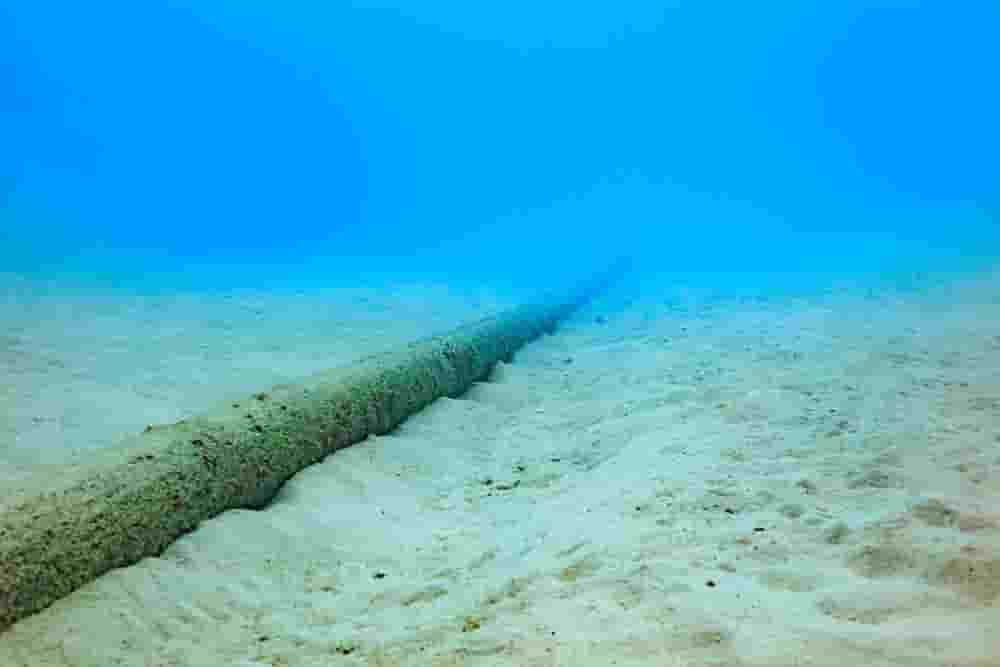
- It moves through pipelines already in the ground
- It runs in appliances and industrial equipment already installed
- It fuels vehicles already on the road
No consumer-side changes are needed. Decarbonisation happens upstream, at the point of production. City gas networks can shift incrementally as the share of Renewable Natural Gas in the grid increases.
This is already happening across Europe. France leads the continent in Biomethane production. Biomethane covers 39% of fuel use in France's CNG truck fleet. Germany holds the world's largest combined biogas and Biomethane market. Ireland, Denmark, and the Netherlands are all introducing blending obligations to embed Renewable Natural Gas into their energy systems.
The Circular Economy Advantage
Biomethane production creates two additional high-value outputs beyond energy:
- Digestate: a nutrient-rich material that replaces synthetic fertilisers. Europe produces around 25 million tonnes annually from biogas facilities, yet still imported over 24 million tonnes of synthetic fertiliser in 2024
- Biogenic CO?: captured during gas upgrading, it already supplies roughly 14% of Europe's merchant liquid CO? demand
These outputs make Biomethane a circular economy contributor, not just a fuel. It addresses food system emissions, industrial feedstock supply, and waste management in a single value chain.
Key Challenges to Watch
Growth is real, but barriers remain:
- Regulatory fragmentation across EU member states slows investment and complicates certificate trading
- Production costs of €50 to €130 per MWh require supportive policy to remain viable
- A unified European certificate market for Guarantees of Origin is still developing
- Funding gaps persist: Biomethane receives far less policy attention than wind, solar, or hydrogen
In March 2026, major European industry coalitions issued a joint declaration urging EU leaders to introduce binding targets, cut red tape, and back long-term purchasing agreements for hard-to-abate sectors.
Where the Sector Meets in 2026
Leadvent Group hosts the 2nd Annual Biogas and Biomethane World Summit on 27 and 28 May 2026 at the Radisson Blu Hotel Amsterdam Airport, Netherlands. The event brings together 150+ industry peers and 35+ speakers from organisations including the IEA, TotalEnergies, Shell, Vattenfall, Gasum, Uniper, Ramboll, the European Biogas Association, ABN AMRO, and CPP Investments.
The agenda covers:
- Finance and investment models for Biomethane and Renewable Natural Gas projects
- RED III implications and EU regulatory harmonisation
- Feedstock strategy, digestate valorisation, and circular economy integration
- Gas upgrading technologies, grid injection, and quality standards
- Decarbonisation of transport, heavy industry, and maritime sectors
- Cross-border certificate trading and Guarantees of Origin
Who should attend:
This Biomethane Summit is built for practitioners actively shaping the sector:
- Senior executives and project developers in biogas and renewable energy
- Investors and banks financing sustainable energy infrastructure
- Policymakers and regulatory affairs professionals
- Technology providers in upgrading, feedstock processing, and digitisation
- Sustainability leaders using Renewable Natural Gas to decarbonise industrial operations
Register for the Biomethane Summit to secure your place at Europe's leading renewable gas event.
Frequently Asked Questions
- What is biomethane and how does it differ from conventional natural gas?
Biomethane comes from the anaerobic digestion of organic materials such as agricultural waste, manure, and food scraps. Once purified, it is chemically identical to fossil natural gas. It uses existing pipelines, appliances, and vehicles without modification. Its production from waste streams can result in net-negative lifecycle emissions.
- How does biomethane support energy security?
Biomethane uses domestic feedstocks, reducing reliance on imported gas. It injects directly into existing grid infrastructure, delivering energy security benefits without new pipelines. As Renewable Natural Gas, it strengthens supply independence while converting waste into productive use.
- Is biomethane cost-competitive?
Production costs range from €50 to €130 per MWh. Beyond energy, Biomethane generates digestate biofertiliser and biogenic CO?, both with commercial value. It also avoids the cost of replacing existing gas infrastructure. Carbon pricing and blending mandates are strengthening its economic case across Europe.
- Is the EU's 2030 biomethane target achievable?
The EU targets 35 billion cubic metres of Biomethane per year by 2030. Installed capacity stood at around 7 billion cubic metres in early 2025. Reaching the target needs harmonised policies, faster Renewable Natural Gas certification, and sustained investment. The sector is growing, but the pace needs to accelerate.


Comment