

Battery Swapping vs. Conventional Charging: Infrastructure Implications
The electric vehicle (EV) revolution has sparked a debate over the most efficient way to refuel these vehicles. Two competing models, conventional charging and battery swapping, present vastly different infrastructure implications. While conventional charging is a familiar concept, akin to plugging in a mobile phone, battery swapping offers a novel approach that could redefine the EV user experience and the supporting grid infrastructure.
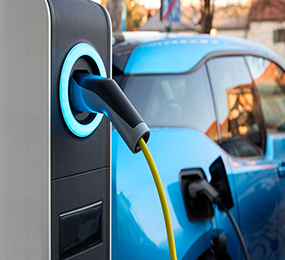
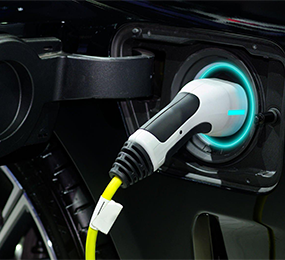
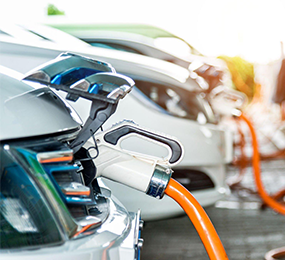
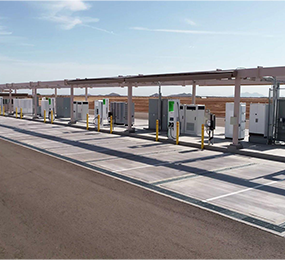
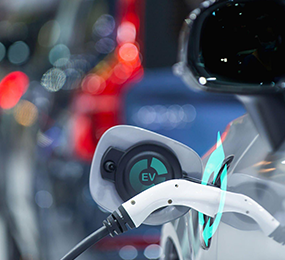
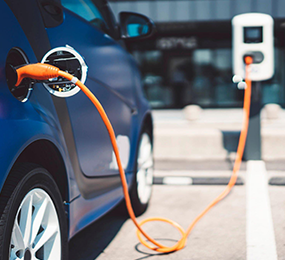
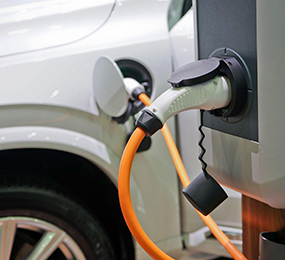
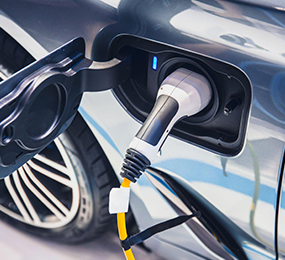
Conventional charging, which includes Level 2 and DC fast charging, requires a widespread network of charging stations. The infrastructure for this model is decentralized, with chargers located at homes, workplaces, and public stations. The primary infrastructure challenge is the immense strain on the local electrical grid, particularly during peak demand hours. As more EVs charge simultaneously, the existing grid may require significant upgrades to handle the load, potentially leading to bottlenecks and power outages. While this model is relatively straightforward for the consumer, its scalability is heavily reliant on expensive grid modernization and the availability of a robust power supply.
In contrast, battery swapping centralizes the refueling process. Instead of plugging in, a driver pulls into a station where a robotic system removes the depleted battery and replaces it with a fully charged one in a matter of minutes. The infrastructure for this model is concentrated, requiring dedicated, capital-intensive swapping stations. The key advantage lies in its ability to manage grid demand more effectively. Batteries can be charged slowly and strategically during off-peak hours, a process known as smart charging. This approach avoids the massive, instantaneous power draw of fast-charging stations, smoothing out the load on the grid and reducing the need for costly grid upgrades. However, this model requires a high degree of standardization among vehicle batteries, which can be a significant hurdle for an industry with diverse designs. Ultimately, the choice between these two systems will have a profound impact on the future of energy infrastructure.
Visit our website to know more: https://www.leadventgrp.com/events/4th-annual-ev-charging-infrastructure-forum/details
For more information and group participation, contact us: [email protected]
Leadvent Group - Industry Leading Events for Business Leaders!







Comment