

Battery Swapping vs. Charging Stations: What Works Best for Africa?
The transition to electric vehicles (EVs) in Africa presents a unique set of challenges and opportunities, particularly regarding infrastructure. While the rest of the world debates the best way to expand charging networks, Africa must consider a more fundamental question: is it better to focus on traditional charging stations or to invest in battery swapping technology? Each model offers distinct advantages and disadvantages tailored to the continent's specific needs and conditions.
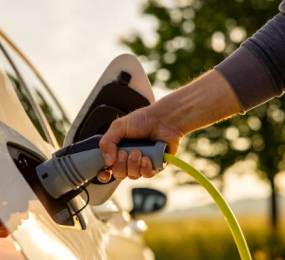
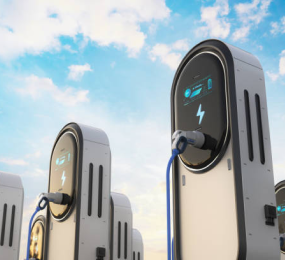
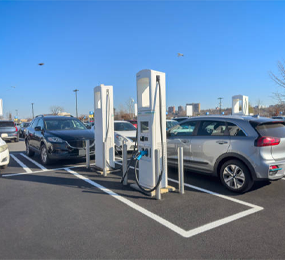
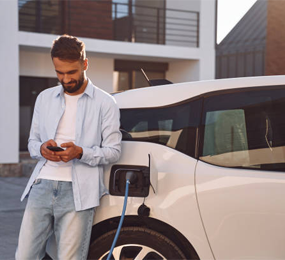
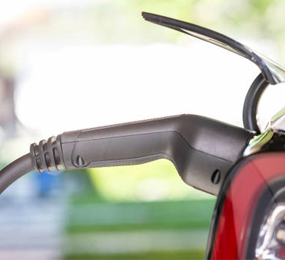
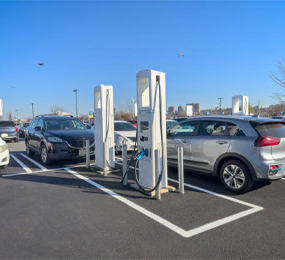
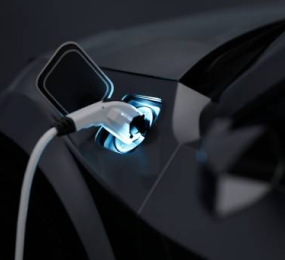
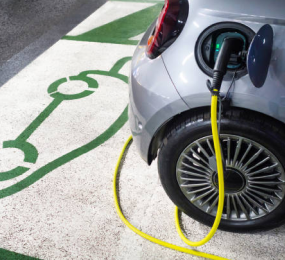
Charging stations are the global standard, leveraging existing electrical grids to replenish a vehicle's battery. This model is straightforward and scalable, as it doesn't require complex logistics for battery circulation. However, the slow charging times can be a significant drawback. In many African cities, reliable electricity can be a challenge, and a prolonged power outage could render a charging station useless. Furthermore, the high upfront cost of building a robust network of fast-charging stations is a major barrier to widespread adoption.
Battery swapping, in contrast, offers a compelling solution to many of these problems. It allows a depleted battery to be exchanged for a fully charged one in a matter of minutes, a process that is far quicker than even the fastest charging. This speed is a critical advantage, especially for commercial fleets like electric motorcycle taxis, which are highly prevalent in many urban centers. Swapping stations can be strategically placed in urban hubs and can even charge batteries during off-peak hours, helping to stabilize the grid. The initial investment is also lower as it does not require an upgrade to the existing power grid.
However, battery swapping introduces its own complexities. It necessitates battery standardization, meaning all vehicles must use the same type of battery, which could hinder competition and innovation. The logistics of managing a vast network of batteries, including their health, storage, and distribution, are also substantial. Given Africa's nascent EV market, the debate over which technology is best hinges on which model can more effectively overcome its unique challenges and accelerate the continent's electric mobility revolution.
Visit our website to know more: https://www.leadventgrp.com/events/e-mobility-and-infrastructure-africa-summit/details
For more information and group participation, contact us: [email protected]
Leadvent Group - Industry Leading Events for Business Leaders!







Comment