

Automotive Safety: Protecting Lives in a Changing Mobility World
Automotive safety has always been rooted in one core mission: saving lives. As vehicles become more advanced and mobility patterns evolve, the industry’s focus on safety has grown stronger, blending engineering precision, technology, and human-centered design to reduce risks on the road.
For decades, vehicle safety was defined mainly by physical protection—seatbelts, airbags, and strong structural frames designed to shield occupants during collisions. These features remain essential, but today’s safety landscape extends far beyond crash protection. Modern mobility integrates digital systems, predictive technology, and real-time data to prevent accidents before they occur. Automotive safety is no longer reactive; it is increasingly proactive.
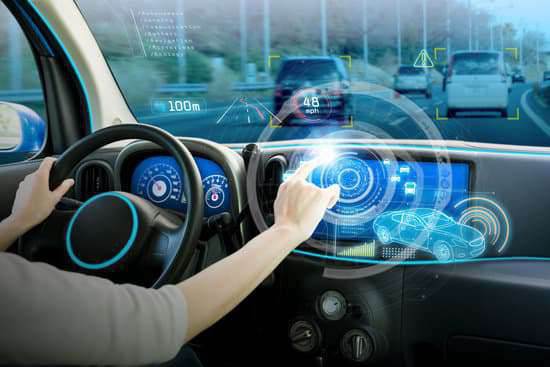
Advanced Driver Assistance Systems (ADAS) such as automatic emergency braking, lane-keeping support, blind-spot detection, and adaptive cruise control have become common across many vehicle segments. These technologies help compensate for human limitations, providing alerts, corrections, and interventions when dangers arise. They are not intended to replace drivers but to support them, reducing the likelihood of errors that lead to serious accidents.
Beyond individual vehicles, the industry is embracing safety from a broader systems perspective. Connected cars, for example, can share information with each other and with road infrastructure warning nearby vehicles of hazards, slippery surfaces, or sudden congestion. This shift toward cooperative safety enhances the ability to prevent accidents at a community scale. With urban environments growing more complex, such collective intelligence is becoming increasingly valuable.
However, the rise of new technologies also brings new responsibilities. Automotive safety now includes ensuring the reliability and security of software systems, sensor performance, and electronic components. A malfunctioning algorithm or a compromised communication channel can pose risks just as serious as mechanical failures. That is why functional safety, cybersecurity, and rigorous testing protocols have become vital pillars of modern vehicle development.
Human behavior remains an equally important element. No matter how advanced vehicles become, safe mobility depends heavily on responsible driving, proper vehicle maintenance, and clear road regulations. Education and awareness campaigns continue to play a major role in shaping safer habits, ensuring that technology and human judgment work together rather than in conflict.
The future of automotive safety is shaped by continuous innovation: autonomous driving research, enhanced driver monitoring systems, better crash avoidance sensors, and improved materials that protect occupants more effectively. As regulators introduce stronger safety standards and consumers prioritize safer vehicles, the industry is moving toward a more holistic framework one that combines engineering excellence, technological intelligence, and a deep understanding of human needs.
At its heart, automotive safety is about protecting people. Every new feature, every safety standard, and every engineering breakthrough reflects a commitment to reducing harm and creating safer mobility for everyone. The journey continues, driven by the belief that every life on the road deserves protection.
Takeaway Point: Automotive safety is evolving from traditional crash protection to a proactive, technology-supported approach that prioritizes prevention, human-centered design, and system-wide reliability to safeguard all road users. Learn more on our website: https://www.leadventgrp.com/event/3rd-annual-automotive-functional-safety-forum/register
For more information and group participation, contact us: [email protected]
Leadvent Group - Industry Leading Events for Business Leaders!
www.leadventgrp.com | [email protected]













Comment