

Automotive Safety: Engineering Protection in the Modern Mobility Era
Automotive safety has evolved into one of the most critical pillars of vehicle design and manufacturing. What once centered primarily on minimizing injury during collisions now encompasses advanced technologies designed to prevent accidents before they occur. As vehicles become more connected and intelligent, safety remains the industry’s most important responsibility.
Historically, safety innovations focused on structural integrity. Reinforced passenger cabins, crumple zones, three-point seatbelts, and airbags transformed road safety standards and significantly reduced fatalities worldwide. These passive safety systems continue to serve as the foundation of modern vehicle protection, engineered to absorb impact energy and shield occupants in the event of a crash.
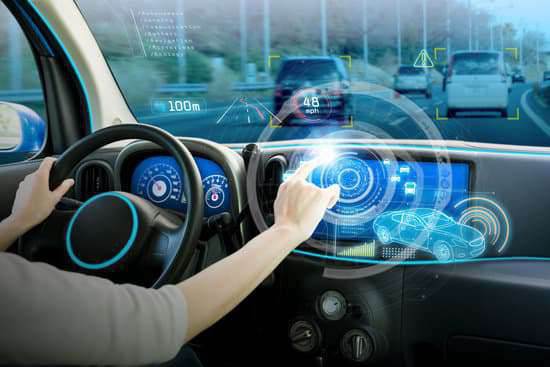
Over time, the focus expanded from protection to prevention. Advanced Driver Assistance Systems (ADAS) represent a major shift in automotive safety strategy. Technologies such as automatic emergency braking, lane-keeping assistance, blind-spot monitoring, and adaptive cruise control rely on sensors, cameras, and radar to monitor surroundings in real time. By providing alerts or intervening when necessary these systems help reduce human error, which remains a leading cause of road accidents.
Regulatory frameworks and safety rating programs have further driven progress. Vehicles undergo rigorous crash testing and performance assessments to meet national and international safety standards. Manufacturers now compete not only on design and performance, but also on safety ratings. This competitive environment encourages continuous innovation and ensures that higher safety benchmarks become the industry norm rather than the exception.
The rise of electric vehicles introduces new safety considerations. Battery systems must be carefully integrated into vehicle structures to prevent damage during collisions and manage thermal stability. At the same time, the lower center of gravity in many electric models can enhance vehicle stability and reduce rollover risks. Engineers balance these variables to ensure that electrification aligns with established safety expectations.
Connectivity is adding another layer to automotive safety. Vehicle-to-everything (V2X) communication technologies allow cars to exchange information with nearby vehicles and infrastructure. This capability can provide early warnings about traffic conditions, hazards, or sudden braking events beyond the driver’s immediate line of
sight. As connected ecosystems expand, the potential for reducing accidents through shared data grows significantly.
Cybersecurity has also become part of the safety conversation. With vehicles increasingly dependent on software, protecting digital systems from unauthorized access is essential. Manufacturers are investing in secure architectures and continuous monitoring to safeguard both vehicle functionality and passenger safety.
Despite technological advancements, responsible driving remains essential. Distraction, speeding, and impaired driving continue to undermine safety efforts. Technology can assist, but it cannot fully replace driver awareness and accountability.
Automotive safety today is the result of decades of engineering refinement, regulatory oversight, and technological integration. As mobility systems become more autonomous and interconnected, the commitment to protecting drivers, passengers, and pedestrians will continue to shape the future of transportation.
Key Takeaway
Automotive safety combines advanced engineering, intelligent driver assistance systems, and strong regulatory standards to reduce accidents and protect lives in an increasingly connected mobility landscape.
For more information and group participation, contact us: [email protected]
Leadvent Group - Industry Leading Events for Business Leaders!
www.leadventgrp.com | [email protected]












Comment