

Automotive Safety: Advancing Protection for Drivers, Passengers, and Roads
Automotive safety is the backbone of modern transportation, aiming to reduce accidents, prevent injuries, and save lives. From the earliest seat belts to today’s intelligent driver-assist systems, safety in vehicles has evolved into a sophisticated balance of engineering, regulation, and innovation.
The Evolution of Safety
Decades ago, vehicle safety primarily focused on basic structural integrity and simple restraints. As technology advanced, so did the complexity of safety features—introducing crumple zones, anti-lock braking systems (ABS), airbags, and electronic stability control. Today, automotive safety is not just reactive; it is proactive, with systems designed to prevent accidents before they occur.
Active and Passive Safety Systems
Modern automotive safety relies on two main pillars:
1. Active Safety: Technologies designed to avoid accidents, such as lane departure warnings, adaptive cruise control, and automatic emergency braking. These systems constantly monitor driving conditions and respond to potential hazards.
2. Passive Safety: Features that protect occupants when a collision happens, including airbags, reinforced frames, and seatbelt pre-tensioners. These are crucial in reducing injury severity.
The Role of Regulation and Standards
Safety is not left to manufacturers alone governments and international bodies set strict safety regulations and testing standards. In the automotive industry, frameworks such as ISO 26262, which addresses functional safety in electrical and electronic systems, ensure that vehicles meet rigorous safety requirements before reaching the market.
Technological Innovation Driving Safety
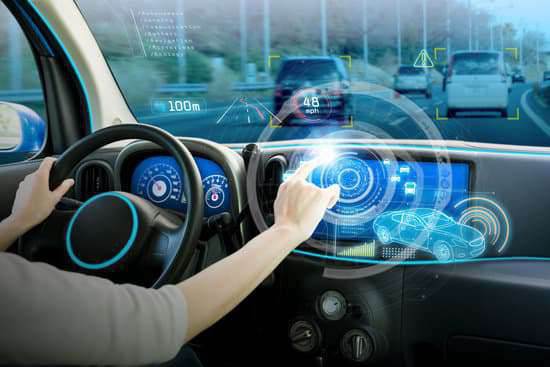
Emerging technologies are pushing the boundaries of automotive safety. Advanced Driver Assistance Systems (ADAS) use cameras, radar, and lidar to create a 360-degree awareness around the vehicle. Meanwhile, vehicle-to-vehicle (V2V) and vehicle-to-infrastructure (V2I) communication promise a future where cars share real-time data to prevent collisions and ease traffic flow.
Autonomous driving is also a significant development. While full autonomy is still in testing phases, semi-autonomous features are already making roads safer by reducing human error the leading cause of traffic accidents.
Challenges and Global Perspectives
Despite these advancements, challenges remain. In many regions, older vehicles without modern safety features dominate the roads. Infrastructure limitations, lack of enforcement, and cost barriers can hinder safety progress. Bridging this gap requires collaboration between governments, manufacturers, and the public to ensure safer roads for all.
Looking Ahead
The future of automotive safety is a blend of innovation, regulation, and education. As vehicles become more connected and intelligent, safety systems will continue to evolve, aiming for a vision of zero fatalities on the road.
Takeaway Point: Automotive safety is more than a feature it’s a commitment. Through continuous innovation, strict regulations, and global cooperation, the industry is working toward safer journeys for everyone, no matter where they drive.
Learn more on our website: https://www.leadventgrp.com/event/3rd-annual-automotive-functional-safety-forum/register
For more information and group participation, contact us: [email protected]
Leadvent Group - Industry Leading Events for Business Leaders!
www.leadventgrp.com | [email protected]















Comment