

Automotive Safety: A Human-Centered Evolution Toward Safer Mobility
Automotive safety has always been rooted in one essential goal: protecting people. Yet the landscape of mobility is changing so quickly that traditional approaches alone can no longer keep pace. Today’s vehicles are more complex, more connected, and more intelligent, and with that comes a heightened responsibility to ensure that safety evolves just as rapidly. The conversation is no longer limited to seatbelts and airbags—it now embraces intelligent systems, predictive technologies, and a culture of accountability across the entire value chain.
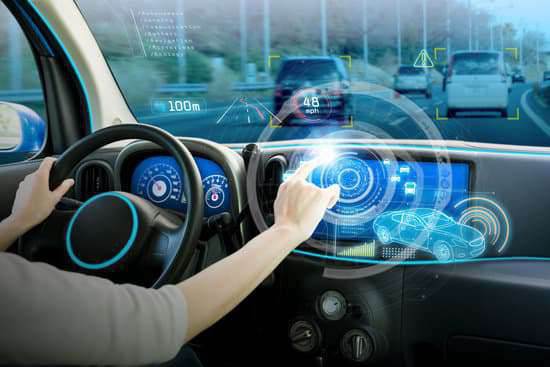
The most meaningful progress in automotive safety begins with understanding real-life behavior on the road. Human error remains one of the most significant contributors to accidents, which is why modern safety thinking places more emphasis on assisting the driver rather than just reacting to accidents when they happen. Advanced driver assistance systems—such as automatic emergency braking, lane support, adaptive cruise control, and driver monitoring—are built on this principle. These technologies aim to reduce the burden on drivers while lowering the likelihood of mistakes that could have serious consequences.
Regulations and global standards also continue to set the pace. Frameworks such as ISO 26262 for functional safety and the newer ISO 21448 for safety of the intended functionality are reshaping how manufacturers approach safety from the earliest phases of design. These standards push companies to look deeper into system behavior, anticipate possible failures, and apply structured verification throughout development. The industry’s shift toward electrification and automated driving makes compliance even more critical, as the complexity of electrical and digital systems introduces new types of risks.
However, the technological side is only one part of the story. Automotive safety is equally influenced by culture—how manufacturers communicate safety priorities internally, how suppliers collaborate, and how decision-makers view long-term safety investments. Organizations that encourage transparent reporting, prioritize training, and promote cross-functional cooperation tend to build safer products. In many ways, safety excellence becomes a mindset, not merely a checklist.
Consumers are also shaping the future. Increasing awareness and demand for safer vehicles push manufacturers to go beyond the minimum requirements. Safety ratings, real-world performance data, and customer expectations all contribute to an environment where safety becomes a competitive advantage, fostering continuous innovation.
As mobility evolves, the real challenge lies in balancing technological ambition with human reality. Automated systems must be intuitive, reliable, and built with an
understanding of how people actually behave behind the wheel. True progress comes from combining engineering rigor with empathy, ensuring that safety innovations serve the people who depend on them every day.
Takeaway Point:
Automotive safety is no longer defined by isolated systems but by a holistic approach that integrates technology, regulation, and human behavior. The future of mobility will depend on manufacturers’ ability to design safety solutions that anticipate risks, support drivers, and cultivate a culture where safety is a shared responsibility across the industry.
Learn more on our website: https://www.leadventgrp.com/event/3rd-annual-automotive-functional-safety-forum/register
For more information and group participation, contact us: [email protected]
Leadvent Group - Industry Leading Events for Business Leaders!
www.leadventgrp.com | [email protected]










Comment