

Automotive Functions: The Systems Shaping Today’s Driving Experience
The modern vehicle is no longer just a machine with an engine and four wheels—it is a carefully integrated system built around safety, comfort, performance, and efficiency. As mobility evolves, automotive functions have grown far more complex, bringing together mechanical engineering, electronics, software, and intelligent control systems. Understanding these functions provides insight into how vehicles operate and how the industry is adapting to new expectations from drivers and regulators.
At the heart of every vehicle are core driving functions: acceleration, braking, and steering. These fundamental systems are designed to deliver stability, responsiveness, and control. Over time, they have become more refined through technologies such as electronic stability control, anti-lock braking systems, and drive-by-wire steering. These improvements help drivers maintain command of the vehicle, especially in challenging conditions.
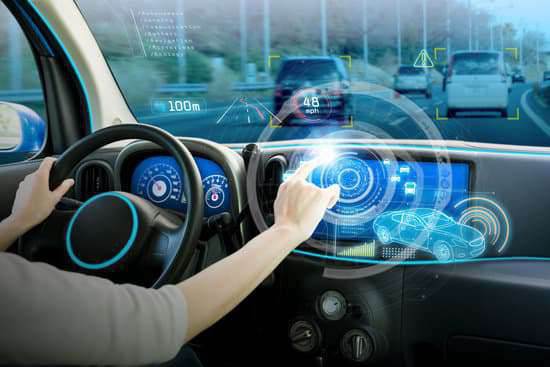
Safety, once a mechanical concept, has evolved into a sophisticated blend of sensors, algorithms, and predictive responses. Advanced Driver Assistance Systems (ADAS)—including lane-keeping support, adaptive cruise control, automatic emergency braking, and blind-spot monitoring—have become standard in many vehicles. These functions act as additional layers of protection, helping to prevent accidents by alerting drivers to risks or intervening when necessary. While each system is designed to support, rather than replace, human judgment, together they significantly reduce the likelihood of collisions.
Another critical area is powertrain functionality, which has diversified beyond traditional combustion engines. With electric and hybrid vehicles becoming more common, powertrains now incorporate battery management systems, regenerative braking, and electric motor controls. These functions work together to optimize energy use, extend driving range, and reduce emissions—key priorities for a world moving toward cleaner mobility.
Inside the cabin, automotive functions shape the overall driving experience. Infotainment systems, climate control, and smart connectivity features allow drivers to stay informed and comfortable. Vehicles can now integrate with mobile devices, provide real-time navigation updates, and personalize settings based on driver preferences. While these comforts may seem secondary, they contribute to a smooth and enjoyable journey.
Increasing digitalization also means that vehicles depend on software more than ever before. Many functions—whether related to safety, performance, or comfort—are governed by electronic control units working in harmony. Regular software updates, sometimes delivered over the air, help maintain performance, correct issues, and introduce new features without requiring physical service visits.
As automotive functions become more advanced, collaboration between engineers, software developers, and safety specialists becomes essential. Regulatory expectations continue to grow, especially around functional safety and cybersecurity. Manufacturers must ensure that every system performs reliably, even under unexpected conditions, while also protecting the vehicle from digital threats.
Automotive functions are ultimately designed with one goal in mind: to create a safer, more efficient, and more enjoyable driving experience. As technology continues to evolve, vehicles will keep becoming smarter, more intuitive, and more capable of supporting drivers in meaningful ways.
Takeaway Point: Modern automotive functions—spanning safety, performance, and digital intelligence—are reshaping the driving experience, proving that the future of mobility depends on well-designed, reliable, and human-centered
Learn more on our website: https://www.leadventgrp.com/event/3rd-annual-automotive-functional-safety-forum/register
For more information and group participation, contact us: [email protected]
Leadvent Group - Industry Leading Events for Business Leaders!
www.leadventgrp.com | [email protected]












Comment