

Agrivoltaics: Where Solar Energy Meets Sustainable Farming
As the world races toward cleaner energy and more resilient food systems, a quiet but powerful innovation is taking root agrivoltaics. At its core, agrivoltaics refers to the practice of combining solar power generation with agricultural activity on the same land. It’s a concept that is not only smart but also deeply necessary in an era marked by climate change, land scarcity, and growing demands for food and electricity.
Traditionally, solar farms and agriculture have competed for space. Large-scale solar installations often displace farmland or natural habitats, creating a trade-off between energy production and food security. Agrivoltaics turns that equation on its head, proposing that solar panels and crops don’t have to be rivals—they can be allies.
How It Works: Sharing the Sun
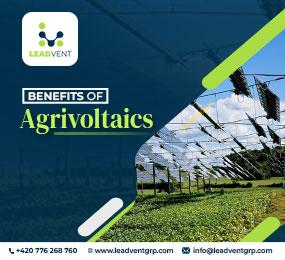
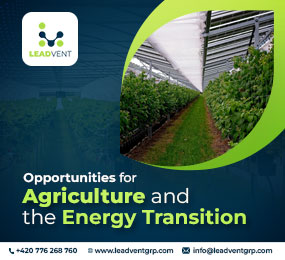
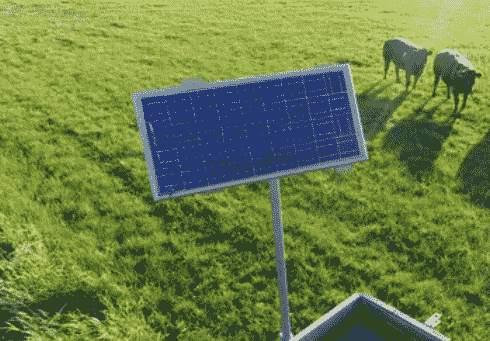
Agrivoltaic systems use elevated or adjustable solar panels that allow sunlight to filter through or shift throughout the day. Underneath, crops continue to grow often benefiting from partial shade, which reduces water evaporation and helps maintain soil health. In dry and hot regions, this shading can be particularly valuable, as it shields crops from extreme heat while the panels generate clean electricity above.
Farmers not only retain the ability to cultivate their land but can also diversify their income by selling power to the grid or reducing their own energy costs. Meanwhile, solar developers gain access to land without disrupting existing agricultural practices. It’s a win-win for both sides.
From Pilot Projects to Scalable Solutions
While the idea isn’t entirely new, agrivoltaics has gained traction in recent years across Europe, Asia, and parts of Africa. In France, vineyards are adopting solar arrays that shield grapes from excess sun. In Japan, rice paddies and vegetable farms are coexisting with photovoltaic installations. In East Africa, agrivoltaic systems are being trialed to improve rural electrification and food productivity.
Challenges remain designing systems that fit local farming methods, training farmers in new practices, and managing initial investment costs. But the momentum is clear. Universities, governments, and private energy firms are exploring ways to scale agrivoltaics beyond pilot projects into widespread use.
Takeaway Point
Agrivoltaics isn’t just about putting solar panels on farmland it’s about reimagining how we use land in smarter, more sustainable ways. As climate pressures intensify
and the world seeks solutions that serve both people and the planet, agrivoltaics offers a practical, scalable approach. It bridges the gap between food and energy, proving that with the right vision, we don’t have to choose one over the other.
Learn more on our website: https://www.leadventgrp.com/event/4th-annual-agrivoltaics-europe/register
For more information and group participation, contact us: [email protected]
Leadvent Group - Industry Leading Events for Business Leaders!
www.leadventgrp.com | [email protected]






Comment