

Agrivoltaics: Where Farming Meets Clean Energy
Across the globe, farmers are facing a new reality. Climate change, land scarcity, and rising energy costs are putting increasing pressure on food systems. But in the midst of these challenges, a solution is taking root in the form of agrivoltaics an approach that allows agricultural land to serve dual purposes: growing crops and generating solar energy.
This is not just a technological concept. It's a practical model redefining how we manage land, feed our communities, and power our world.
What Is Agrivoltaics?
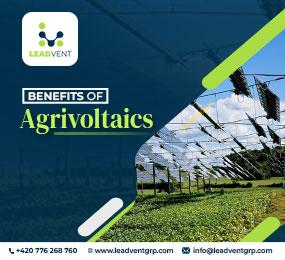
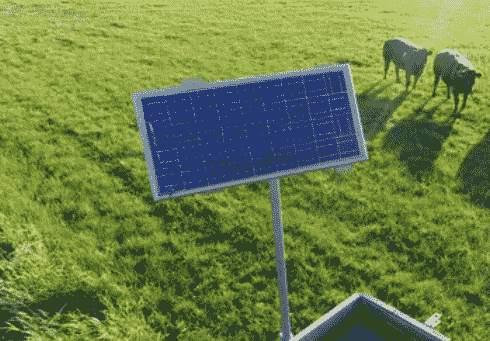
Agrivoltaics refers to the simultaneous use of land for both solar photovoltaic (PV) power generation and agriculture. Instead of placing solar panels on vast open land or rooftops alone, these systems are integrated into active farmland. Panels are elevated above the ground or arranged in a way that allows crops to thrive beneath and around them.
This method brings multiple advantages: reducing land-use conflict, enhancing soil moisture retention, and even protecting crops from extreme weather conditions such as heatwaves or hailstorms.
Climate-Smart Farming in Action
The urgency to decarbonize our energy systems is clear. But in many regions, including across Africa, energy and food security must go hand in hand. Agrivoltaics provides a model that meets both needs.
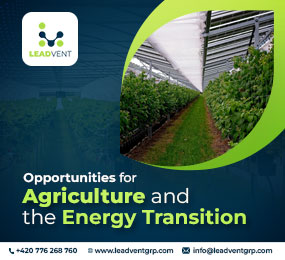
Studies have shown that some crops such as leafy greens, tomatoes, and certain grains actually perform better in partial shade, especially in hot, arid climates. Solar panels can reduce water evaporation from soil and shield crops from excessive heat. Meanwhile, farmers benefit from an additional income stream by leasing land for solar installations or generating power for their own use.
Empowering Rural Communities
The beauty of agrivoltaics lies in its potential to empower local communities. Smallholder farmers can diversify their income, reduce their energy dependence, and build climate resilience. For remote and off-grid regions, solar infrastructure developed through agrivoltaic systems can provide reliable electricity supporting cold storage, irrigation pumps, and even local microgrids.
Governments and investors are also beginning to see agrivoltaics not just as a sustainability project, but as a rural development strategy that can spark job creation, innovation, and food-energy independence.
Takeaway:
Agrivoltaics is more than an efficient use of land it’s a forward-thinking solution that aligns renewable energy generation with sustainable agriculture. By embracing this dual-use model, we can feed growing populations, generate clean power, and safeguard our environment all from the same piece of land.
Learn more on our website: https://www.leadventgrp.com/event/4th-annual-agrivoltaics-europe/register
For more information and group participation, contact us: [email protected]
Leadvent Group - Industry Leading Events for Business Leaders!
www.leadventgrp.com | [email protected]





Comment