

Agrivoltaics: The Smart Future of Land Use
As the world strives to meet growing demands for both clean energy and food security, a creative solution is taking shape in fields around the globe agrivoltaics. This innovative approach integrates solar photovoltaic systems with agricultural production on the same land, offering a new way to make better use of limited space while tackling two of our era’s biggest challenges: sustainable energy generation and climate-resilient farming.
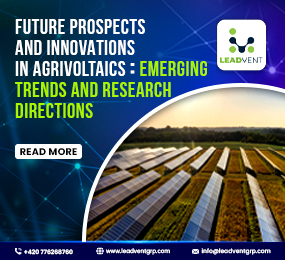
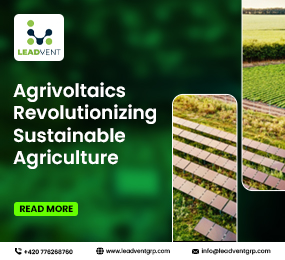
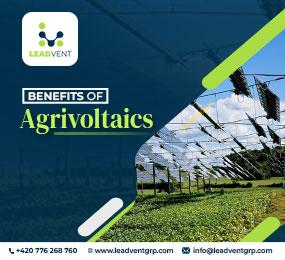
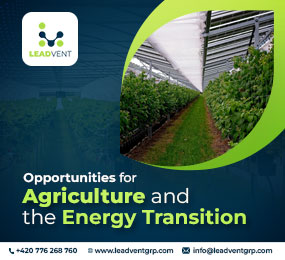
The idea is simple but powerful: instead of choosing between solar farms and farmland, why not do both? Agrivoltaic systems place solar panels at an elevated height or in a configuration that allows sunlight to reach crops below. The result? Electricity is produced overhead, and crops continue to grow underneath often more efficiently in some climates due to moderated heat and reduced evaporation.
Why Agrivoltaics Matters Now
In many parts of the world, farmers are already grappling with the effects of climate change unpredictable rainfall, heatwaves, and soil degradation. At the same time, the global push for renewable energy is increasing pressure to use land for solar installations. Agrivoltaics answers both calls, showing that sustainability isn’t about sacrificing one resource for another but finding smart ways to share them.
Shading from solar panels can reduce crop stress, improve water retention in soil, and even extend growing seasons. Crops such as leafy greens, tomatoes, and herbs have shown good results under partial shade conditions. Meanwhile, farmers can generate electricity for their own use or sell it to the grid, creating an additional source of income that makes farming more economically viable.
Real-World Impact and Growing Adoption
Agrivoltaics is not a distant concept it’s happening now. In countries like France, Germany, Japan, and Kenya, pilot projects and commercial ventures are demonstrating real benefits. Winegrowers in southern Europe are shielding vines from intense sun while generating solar power. In rural Africa, agrivoltaic systems are powering irrigation and cold storage, solving long-standing productivity issues.
Of course, challenges remain technical design, up-front investment, and farmer education but the momentum is growing. Governments and energy providers are starting to fund research and support pilot programs to encourage broader adoption.
Takeaway Point
Agrivoltaics is more than just a trend it represents a thoughtful shift in how we view land use and sustainability. By combining agriculture and renewable energy in a single space, we not only protect our environment but also empower local farmers with tools for resilience and profitability. As climate pressures rise, the agrivoltaic model offers a path forward where food and energy no longer compete but thrive together.
Learn more on our website: https://www.leadventgrp.com/event/4th-annual-agrivoltaics-europe/register
For more information and group participation, contact us: [email protected]
Leadvent Group - Industry Leading Events for Business Leaders!
www.leadventgrp.com | [email protected]






Comment