

Agrivoltaics: Merging Farming and Solar Power for a Sustainable Future
The global demand for food and clean energy continues to rise, pressing nations to find solutions that address both needs without compromising land or resources. Agrivoltaics, the practice of combining agriculture with solar energy generation on the same land, is emerging as a practical and innovative answer. It offers a pathway that not only enhances sustainability but also reshapes the future of farming and energy.
What Is Agrivoltaics?
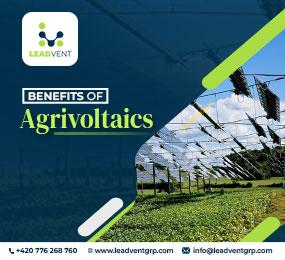
At its core, agrivoltaics integrates solar photovoltaic (PV) panels with crop cultivation. Instead of competing for land, energy and food production coexist. Solar panels are installed above fields at specific heights and angles, allowing sunlight to reach crops while generating clean electricity. This dual-use model turns a single piece of land into a powerhouse for both harvest and renewable energy.
Benefits for Farmers and Energy Transition
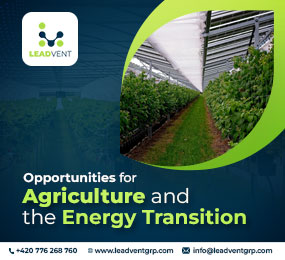
Agrivoltaics brings a new opportunity for farmers who often face unpredictable weather, market pressures, and rising costs. By hosting solar panels, they can diversify income streams earning from crops while also generating revenue from clean energy. This additional source of stability is especially important in rural communities, where farming is not just an occupation but a way of life.
For the energy sector, agrivoltaics makes land use more efficient. It expands renewable energy capacity without taking away farmland or natural habitats. This is crucial at a time when governments are striving to reduce carbon emissions and accelerate the shift from fossil fuels to renewables.
Environmental and Agricultural Advantages
Research shows that the shade created by solar panels can actually improve crop yields in certain climates. Crops such as lettuce, potatoes, and peppers thrive under partial shading, which helps protect them from extreme heat and reduces water evaporation from the soil. This makes agrivoltaics especially valuable in regions vulnerable to drought and rising temperatures.
The approach also supports biodiversity. By reducing soil degradation and enabling microclimates, agrivoltaics fosters healthier ecosystems. It demonstrates that renewable energy projects can work hand-in-hand with nature rather than against it.
Challenges to Overcome
Despite its promise, agrivoltaics still faces barriers. The initial investment for equipment and infrastructure can be high, and not all crops are compatible with shaded conditions. There are also regulatory hurdles, as land-use policies and incentives often treat farming and energy production separately. Overcoming these challenges requires coordinated efforts between policymakers, energy developers, and the agricultural sector.
A Vision for the Future
Agrivoltaics is more than a technical solution it represents a shift in mindset. It challenges the belief that food and energy production must compete for resources, showing instead that they can strengthen each other. By embracing agrivoltaics, communities can improve food security, advance renewable energy goals, and build resilience against climate change.
Takeaway Point: Agrivoltaics offers a win-win future, where farmland produces both food and clean energy. It is a practical, scalable solution that strengthens rural economies, supports the energy transition, and ensures a more sustainable balance between people, land, and the planet.
Learn more on our website: https://www.leadventgrp.com/event/4th-annual-agrivoltaics-europe/register
For more information and group participation, contact us: [email protected]
Leadvent Group - Industry Leading Events for Business Leaders!
www.leadventgrp.com | [email protected]







Comment