

Agrivoltaics: Merging Agriculture and Solar Power for a Sustainable Future
As global demand for both food and clean energy rises, the competition for land use has become a pressing challenge. Traditional solar farms require large land areas, often leading to debates about whether such spaces should be dedicated to food production or renewable energy. Agrivoltaics offers a practical solution—integrating solar panels directly into farmland so crops and clean energy can be produced on the same land.
How Agrivoltaics Works
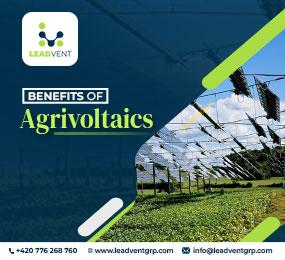
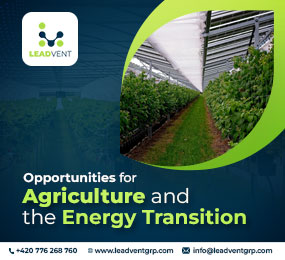
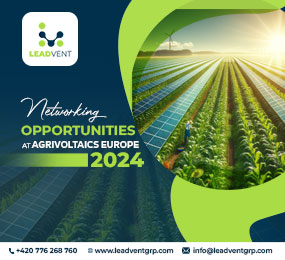
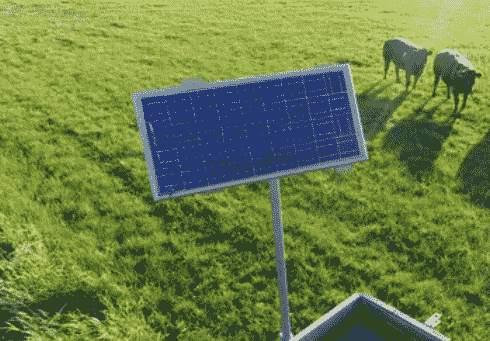
Agrivoltaics, sometimes referred to as agrophotovoltaics, involves installing solar panels above or among crops. These panels are strategically placed at heights and angles that allow sunlight to reach the plants while still generating electricity. The approach maximizes land use efficiency and ensures farmers can maintain agricultural output while benefiting from renewable energy generation.
In some systems, the shading from solar panels can even improve crop yields for certain plants, particularly in hot and dry regions. By reducing direct exposure to intense sunlight, agrivoltaics helps maintain soil moisture and reduces heat stress on crops.
Benefits for Farmers and the Energy Transition
The financial benefits of agrivoltaics are significant. Farmers can diversify their income streams by selling electricity to the grid or using it to power their operations, reducing energy costs. This additional revenue can provide stability during seasons with poor harvests or fluctuating crop prices.
From an environmental perspective, agrivoltaics supports the transition to clean energy without sacrificing agricultural productivity. It can also reduce the need for land clearing, helping preserve biodiversity and protect ecosystems.
Global and Local Adoption
Countries like Japan, France, Germany, and the United States are already testing and scaling agrivoltaic systems. In Africa, where both energy access and agricultural productivity are pressing issues, agrivoltaics holds exceptional promise. By powering irrigation systems, processing facilities, and cold storage, solar energy can strengthen agricultural value chains while supporting rural electrification.
In regions facing water scarcity, agrivoltaics can also play a role in more sustainable water management. The partial shading of crops reduces evaporation, conserving precious water resources.
Challenges and the Path Ahead
Despite its benefits, agrivoltaics faces challenges. Installation costs can be high, and not all crops are well-suited to partial shading. Farmers may also require training to adapt cultivation techniques to new light conditions. Additionally, policy frameworks and incentives in many countries are still catching up with this emerging practice.
However, as technology advances and pilot projects demonstrate clear benefits, adoption is expected to accelerate. Governments, investors, and agricultural organizations are increasingly recognizing the role agrivoltaics can play in meeting both energy and food security goals.
Takeaway Point: Agrivoltaics is a win-win approach that bridges the gap between renewable energy and agriculture. By enabling land to serve two purposes at once feeding people and producing clean power it offers a practical, scalable solution for a sustainable future.
Learn more on our website: https://www.leadventgrp.com/event/4th-annual-agrivoltaics-europe/register
For more information and group participation, contact us: [email protected]
Leadvent Group - Industry Leading Events for Business Leaders!
www.leadventgrp.com | [email protected]






Comment