

Agrivoltaics: Cultivating the Future of Sustainable Energy and Agriculture
As the world moves toward cleaner energy solutions and sustainable food systems, agrivoltaics has emerged as a groundbreaking innovation that unites solar energy production with agricultural productivity. Instead of competing for land, this approach allows both crops and solar panels to coexist turning farmland into a dual-purpose asset that benefits farmers, communities, and the planet.
The Concept Behind Agrivoltaics
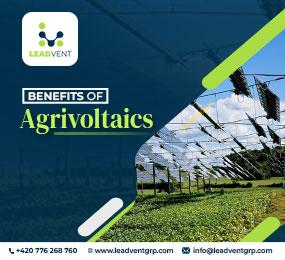
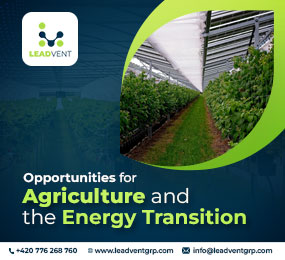
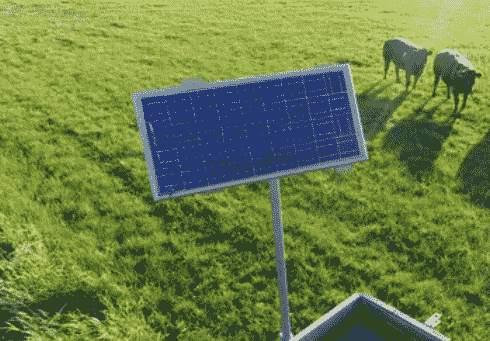
Agrivoltaics, also known as agrophotovoltaics, involves installing solar panels above or alongside crops in a way that allows both to thrive. By sharing the same space, farmers can generate renewable energy while continuing to cultivate their fields. The panels provide shade that helps reduce soil moisture evaporation, protect crops from extreme heat, and, in some cases, even improve yields.
This synergy between energy and agriculture is particularly valuable in regions vulnerable to climate change, where rising temperatures and unpredictable rainfall threaten food security. Agrivoltaics helps stabilize farm income, reduces reliance on fossil fuels, and promotes efficient land use making it a win-win for both farmers and the environment.
Benefits Beyond Energy Production
The benefits of agrivoltaics extend well beyond renewable energy generation. For farmers, it offers economic diversification creating a new revenue stream through electricity sales or partnerships with energy developers. It also reduces the financial risks tied to unpredictable weather patterns, as the shade from solar panels can prevent crop stress during heatwaves.
From an environmental perspective, agrivoltaics reduces the carbon footprint associated with energy and agriculture. It also helps preserve natural habitats by preventing the conversion of additional land for solar farms. The system can enhance soil health, promote biodiversity, and support sustainable water management by reducing evaporation.
Global Momentum and Innovation
Countries across Europe, Asia, and Africa are already piloting and scaling agrivoltaic projects. In Germany and France, large-scale installations are proving the concept’s commercial viability, while in Africa, agrivoltaics is offering smallholder farmers a path to energy access and climate resilience. Technological advancements, such as
adjustable solar panels that optimize sunlight for both energy and crops are making these systems increasingly efficient and adaptable to local needs.
Challenges and the Way Forward
Despite its promise, agrivoltaics still faces challenges such as high upfront costs, limited awareness among farmers, and the need for clear regulatory frameworks. However, as the demand for sustainable solutions grows, collaboration between policymakers, energy developers, and the agricultural sector will be key to unlocking its full potential.
With supportive policies and innovative financing, agrivoltaics could become a cornerstone of rural sustainability, delivering clean energy, improving food security, and contributing to global decarbonization efforts.
Takeaway Point: Agrivoltaics demonstrates that sustainability and productivity can coexist. By merging solar power with agriculture, it creates a future where farms not only feed the world but also power it, building stronger, more resilient communities for generations to come.
Learn more on our website: https://www.leadventgrp.com/event/4th-annual-agrivoltaics-europe/register
For more information and group participation, contact us: [email protected]
Leadvent Group - Industry Leading Events for Business Leaders!
www.leadventgrp.com | [email protected]






Comment