

Agrivoltaics: Cultivating Energy and Food Together
As the world faces rising energy demands and growing pressure on food systems, innovative solutions are emerging to balance sustainability with productivity. One of the most promising approaches is agrivoltaics the practice of integrating solar power generation with agricultural production. This model allows farmland to serve a dual purpose, producing both clean energy and crops, while maximizing land use efficiency.
How Agrivoltaics Works
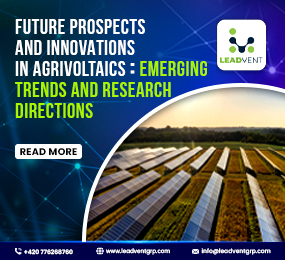
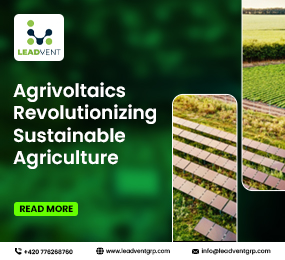
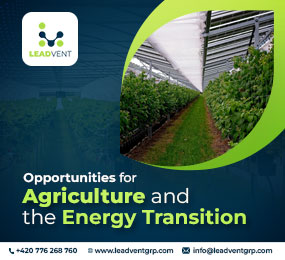
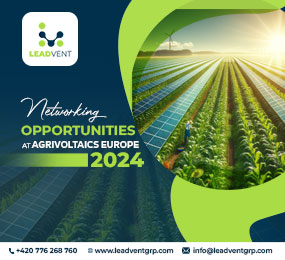
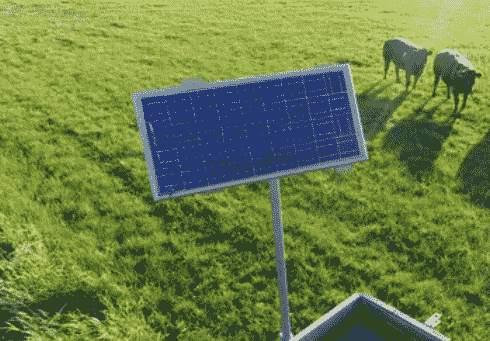
Agrivoltaic systems involve installing solar panels above or alongside farmland in ways that still allow crops to grow underneath or livestock to graze around them. Instead of competing for land, energy and agriculture coexist. The panels provide renewable electricity, while also creating microclimates that can protect crops from excessive heat, reduce water evaporation, and shield soil from erosion.
Benefits for Farmers and Communities
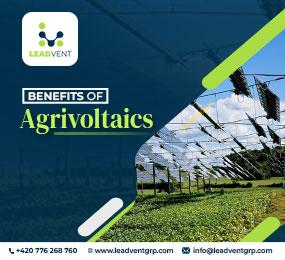
For farmers, agrivoltaics offers an additional and stable income stream. Electricity generated by solar panels can either reduce on-site energy costs or be sold back to the grid. At the same time, land continues to be used for farming, ensuring food production is not compromised.
Communities benefit too. Agrivoltaics contributes to rural development by promoting energy independence, creating jobs, and reducing reliance on fossil fuels. Importantly, it helps address two pressing global challenges climate change and food security within a single model.
Environmental and Economic Impacts
The environmental benefits of agrivoltaics are significant. Reduced water stress on crops, lower greenhouse gas emissions, and better land utilization all contribute to more sustainable farming practices. From an economic perspective, agrivoltaics can improve farm resilience against climate variability and fluctuating energy prices. It transforms farms into energy producers while keeping their role as food suppliers intact.
Challenges to Wider Adoption
While the potential is clear, several challenges remain. Initial investment costs for solar installations can be high, and not all crop types are suitable for shaded growing conditions. Farmers may also need technical guidance to adopt agrivoltaic systems effectively. Policymakers and financial institutions will play a crucial role in creating
supportive frameworks, subsidies, and financing options to make agrivoltaics more accessible.
A Path Forward
Agrivoltaics is not a one-size-fits-all solution, but it represents an important step in reshaping how we think about land use. As technology improves and costs fall, this model can be scaled to meet both regional and global needs. Collaboration between governments, energy providers, and agricultural communities will be essential to unlock its full potential.
Takeaway Point:
Agrivoltaics demonstrates that food and energy do not have to compete for land. By combining solar power with agriculture, it delivers a practical, sustainable pathway to support farmers, strengthen food security, and accelerate the clean energy transition.
Learn more on our website: https://www.leadventgrp.com/event/4th-annual-agrivoltaics-europe/register
For more information and group participation, contact us: [email protected]
Leadvent Group - Industry Leading Events for Business Leaders!
www.leadventgrp.com | [email protected]







Comment