

Agrivoltaics: Cultivating Energy and Food on the Same Ground
The global push for clean energy often runs into a critical challenge land. As solar farms expand and demand for agricultural production rises, the question becomes: how do we balance food security with renewable energy goals? The answer may lie in agrivoltaics, an innovative system that allows both crops and solar panels to coexist and thrive on the same land.
At its core, agrivoltaics is the practice of integrating solar energy infrastructure with agricultural activity. Rather than separating spaces for farming and energy generation, this approach brings them together, transforming competition into synergy. It's a solution that makes environmental, economic, and social sense, especially in regions where arable land is scarce and energy demand is growing.
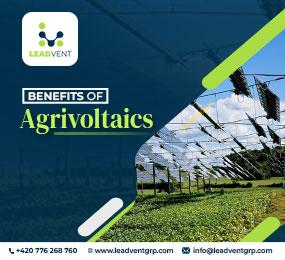
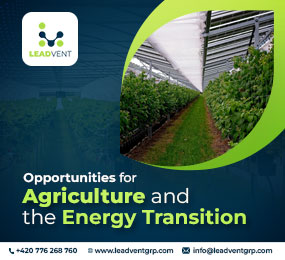
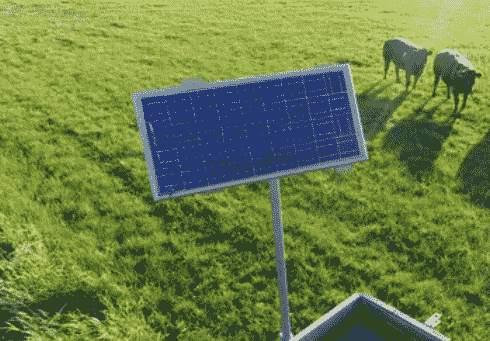
In practice, agrivoltaic systems elevate solar panels above farmland, creating partial shading that can benefit crops sensitive to extreme heat or light. For example, vegetables like lettuce or spinach often fare better under filtered sunlight, which reduces evaporation and water stress. At the same time, the panels generate clean electricity, contributing to the energy needs of nearby communities, irrigation systems, or cold storage units.
For farmers, the benefits are tangible. Agrivoltaics can diversify income streams, lower energy costs, and improve land productivity. In many cases, the microclimate created beneath the panels leads to better crop yields or more stable growing conditions, even during periods of drought or high temperatures. It’s a model that not only boosts resilience but also strengthens the economic viability of smallholder farms.
From a broader environmental perspective, agrivoltaics contributes to climate mitigation by reducing reliance on fossil fuels, conserving water, and supporting biodiversity. By preserving agricultural use of land while generating solar power, the system avoids deforestation or displacement, which are common concerns with large-scale solar projects.
Around the world from Japan to Kenya to Germany agrivoltaic installations are gaining momentum, adapted to local crops and climates. In Africa, where climate resilience and rural electrification are urgent priorities, agrivoltaics is increasingly seen as a strategic pathway to sustainable development.
But scaling this solution requires thoughtful design, policy support, and collaboration between the agricultural and energy sectors. Farmers need training, financial incentives, and access to technology that suits their needs. Energy developers must understand the rhythms of farming life, so that infrastructure enhances rather than disrupts it.
Takeaway Point:
Agrivoltaics offers a practical way to grow food and harvest clean energy from the same land. It’s not just a technical innovation it’s a shift in how we value land, livelihoods, and the future of sustainability. With the right support, it could reshape rural economies and energy systems for generations to come.
Learn more on our website: https://www.leadventgrp.com/event/4th-annual-agrivoltaics-europe/register
For more information and group participation, contact us: [email protected]
Leadvent Group - Industry Leading Events for Business Leaders!
www.leadventgrp.com | [email protected]






Comment