

Agriculture’s Role in Powering the Energy Transition
In today’s world, there are two major challenges that we are facing: one is how to feed the growing world, and another is how to generate power without harming the planet. For too long, we've treated agriculture and renewable energy as competitors fighting over the same precious resource: land. Where solar developers are eyeing vast agricultural land plains, and farmers are worried about losing their livelihoods to energy developments. But what if the circumstances were different?
The clever approach is growing crops right beneath or next to solar panels, giving both food and clean electricity space from the same plot of land.
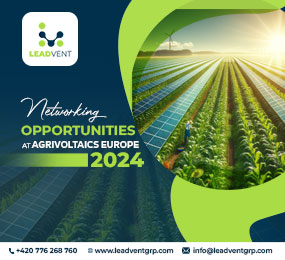
And it’s exactly why vital events like Leadvent Group's upcoming agricultural conference, the 4th Annual Agrivoltaics Europe Forum, are so important right now—they're where energy investors, tech developers, and scholars from the agricultural sector figure out how to make this exciting vision a widespread reality.
The Land Use Dilemma and Agrivoltaics Solution
Traditional solar development has forced communities into uncomfortable conversations. Do we prioritize clean energy and sacrifice agricultural land? Or should we reduce progress in renewable energy and preserve farming communities?
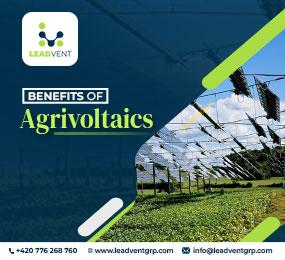
This is where agrivoltaics enters the scene. It is an integrated and smart way of utilizing where farming and solar energy production can go hand in hand on the same plot. Consider it a clever design that benefits both parties, going far beyond simply sharing space.
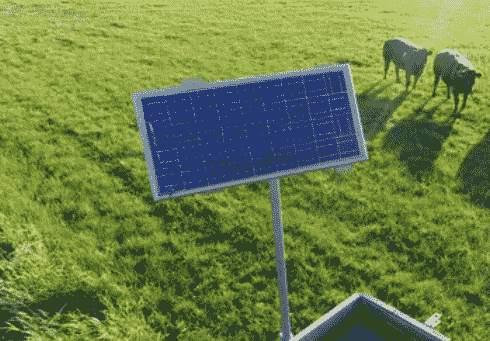
Wondering how? Solar panels operate as protective shields which safeguard valuable agricultural products, together with farm animals, from severe weather elements such as hot temperatures and ultraviolet radiation, and cold conditions.
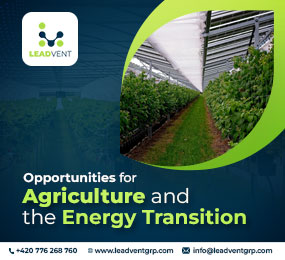
Another huge advantage for the agriculture sector is water conservation. With exposure to less direct sunlight, cropland can hold moisture better, and farmers get the advantage of using less water for irrigation.
Agrivoltaics is also great on the energy side. Installing solar panels over cropland is a brilliant way to maximize land use, and at the same time settle the debate over land use for food and for energy.
Italy’s National Recovery and Resilience Plan has taken the initiative and has already made headlines with an ambitious decree to install 1.04 GW of agrivoltaics by 2026.
Multiple Pathways: Beyond Solar Panels
Agrivoltaics brings in some serious economic wins rather than just installing solar panels, especially for farmers. Agriculture's energy revolution is happening on multiple fronts, turning farms into sophisticated energy ecosystems that would make any utility company envious.
The example of biomass demonstrates how farming operations generate vast quantities of crop residues during harvest seasons through corn stalks, wheat chaff and rice husks. Traditionally, this stuff gets burned down or left to simply for decomposition. Various energy operators are now converting this generated waste into biogas or biofuels, solving both problems of disposal and energy generation.
Next is wind energy, with regions vested with a windy climate, turbines are flourishing to harness their energy. Farmers lease small plots to wind energy developers while continuing to farm right up to the turbine base. The rental income often exceeds what they'd earn from crops on that same land.
Another fascinating sector is the hydrogen energy. Agrivoltaic systems generate surplus solar energy which operates electrolysis devices to create clean hydrogen that you can keep and market during periods of maximum energy pricing. The system produces an additional income channel that exists next to food production and electricity generation.
The positive impact extends beyond individual farms because it revolutionizes Europe’s green energy targets.
Overcoming Barriers and Building Acceptance
It is true that agrivoltaics adoption comes with its own challenges. There are technical hurdles that come up, like the engineering is more complex than traditional solar farms, installation cost is higher, and energy output per hectare occasionally falls short of what you’d get from ground-mounted panels covering every square meter.
But for agrivoltaics, the secret weapon is public acceptance. While various communities often resist large solar developments that take up the whole farmland, many welcome projects that preserve agricultural character.
The regulatory policymakers are catching up, too. The recognition of agrivoltaics by governments requires separate treatment and particular permitting procedures and incentive systems which acknowledge its combined advantages. The full deployment of agrivoltaics throughout Europe depends on enhanced policy structures together with unambiguous regulations and readily available funding.
The major challenge is ensuring these frameworks actually work in practice, not just remain on paper.
The Future Landscape and Leadvent Group's Solar Energy and Agriculture Conference
The sector of agrivoltaics is a powerful example of how agriculture and energy can go together, and it isn’t about growing food but a central part of energy revolutions.
Specialised agricultural conferences focusing on agrivoltaics are drawing researchers, investors, technology developers, and policymakers from various countries, all converging around a shared vision.
It’s a smart concept of dual land use that is a real-world solution that addresses how farming can go beyond just producing food but also become a cornerstone of our sustainable future. Agrivoltaics helps us build a world that is more energy-independent and food secure.
But exploring the full potential of this sector means that agricultural farms, researchers, policymakers, and industry leaders have to work together to make it possible.
Leadvent Group’s approach to the solar energy and agriculture conference is what creates that right space for sharing knowledge, developing supportive policies, and investing in future innovations that will drive towards a sustainable future with the agricultural sector combined.
This isn't just about bringing the right folks to the agricultural conferences or technological dream; it's a tangible path towards a greener, more self-sufficient tomorrow.
Frequently Asked Questions (FAQs)
!) Why is an event like Leadvent Group's Agrivoltaics Europe important right now?
The main advantage of this system lies in its ability to unite all necessary stakeholders! Agricultural sector leaders together with researchers and policymakers and industry leaders need to engage in discussions to exchange their findings and establish effective strategies for scaling agrivoltaics across Europe. These forums establish the necessary framework by developing appropriate regulations and securing funding together with innovative solutions that enable this promising solution to thrive.
2) What kind of new technologies are we seeing in agrivoltaics?
The world of technology is constantly evolving. The smart panels under development possess dual functions to follow sunlight patterns while providing controlled transparency for appropriate light transmission. AI has emerged as a fundamental element which assists farmers and energy operators to maximize their operations including irrigation and panel angle optimization.. However, every advancement is under constant development.
3) When is the Leadvent Group’s Solar Energy and Agriculture Conference to happen?
The agriculture conference arranged by Leadvent Group– the 4th Annual Agrivoltaics Europe is to take place in Rome between the dates 4th to 6th November, 2025.



Comment