

Agric Solar: Powering Farms with Clean Energy and Sustainable Growth
Agriculture has always been the backbone of human survival, feeding communities and driving economies. Yet, farming today faces immense challenges, from rising energy costs and unpredictable weather patterns to the urgent need for sustainable practices. Against this backdrop, Agric Solar, the integration of solar energy into agricultural operations, is emerging as a practical and transformative solution.
What is Agric Solar?
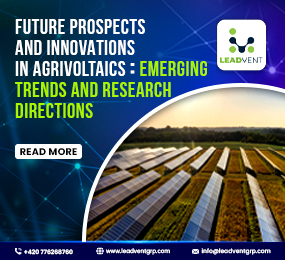
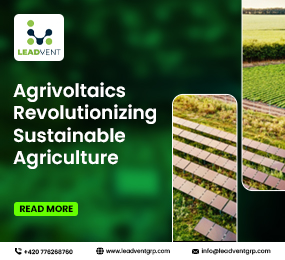
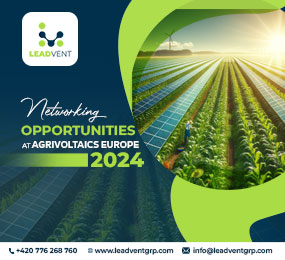
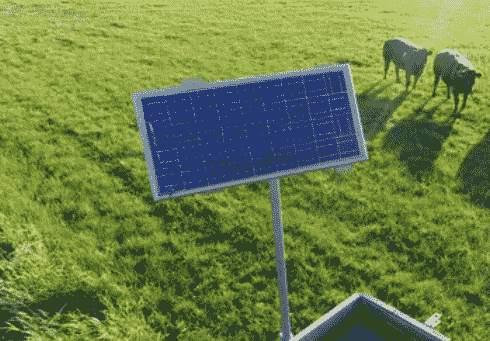
Agric Solar, also referred to as agrivoltaics, combines traditional farming with solar power generation. Solar panels are installed on farmland, either above crops, alongside fields, or on dedicated sections of land. This dual use of space allows farmers to produce food and energy at the same time, maximizing resources and creating an additional income stream.
In some cases, solar systems power irrigation pumps, cold storage, or farm machinery directly. In others, they provide energy to the grid, turning farms into both food and energy producers.
Benefits for Farmers and Communities
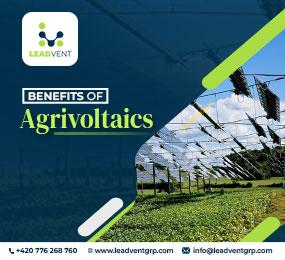
The benefits of Agric Solar extend far beyond cost savings. For farmers, energy is one of the biggest operational expenses. Solar power reduces reliance on costly diesel generators or unstable electricity supply, ensuring steady operations throughout the year.
Moreover, by generating clean energy, farmers can cut down on greenhouse gas emissions while meeting their production needs. This contributes not only to environmental sustainability but also strengthens food security by making farming more resilient.
Communities, too, benefit. Access to reliable, locally generated power can drive rural electrification, improve livelihoods, and open opportunities for agribusiness growth.
Climate Resilience and Crop Protection
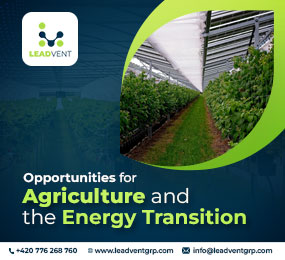
An innovative aspect of Agric Solar lies in how solar panels can provide microclimatic benefits. Panels installed above crops can offer partial shade, reducing heat stress on sensitive plants and conserving water. This is particularly valuable in hot and dry regions, where water scarcity threatens yields.
Research has shown that certain crops, such as vegetables and berries; can thrive under these conditions, creating a win-win scenario: healthier crops below and clean power generated above.
Economic Opportunities and Challenges
The financial opportunities from Agric Solar are significant. Farmers can sell excess electricity to the grid, turning farms into small-scale energy producers. In addition, renewable energy incentives and government programs in many regions support adoption, lowering upfront costs.
However, challenges remain. The initial investment in solar systems can be high, especially for smallholder farmers. There is also a need for technical knowledge to maintain systems and integrate them smoothly into farming operations. Partnerships with governments, cooperatives, and private investors will be crucial to making Agric Solar widely accessible.
The Road Ahead
As the world seeks solutions for both food security and clean energy, Agric Solar stands at the intersection of two global priorities. By bringing renewable power to farms, it not only helps farmers thrive but also contributes to the fight against climate change.
Takeaway Point: Agric Solar is more than an energy solution it is a pathway to sustainable farming, stronger rural economies, and climate resilience. By combining agriculture with solar technology, farmers can feed the world while powering it with clean energy.
Learn more on our website: https://www.leadventgrp.com/event/4th-annual-agrivoltaics-europe/register
For more information and group participation, contact us: [email protected]
Leadvent Group - Industry Leading Events for Business Leaders!
www.leadventgrp.com | [email protected]







Comment